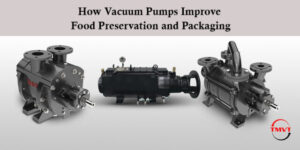
Have you ever wondered how the snacks you love so much stay fresh for weeks or even months? The answer: A small but powerful device — the vacuum pump. In the food Industry, these unsung champions are important in maintaining flavors, lengthening shelf-lives, and retaining the standard of thousands of products we use every day.
But the thing is, not all vacuum pumps are the same. The wrong type of an element—food application—can hinder your entire process, even result in issues that breach food safety regulations or that might affect quality.
In this article, we will explore the food industry vacuum pumps in depth. We will cover different types and their applications for the best results, and show how they play a role in food preservation and processing efficiency. And when you’re done reading you’ll know how to choose vacuum pumps that meet or exceed food safety standards so you can rest assured your product stays fresh, safe and delicious. So let’s take on this adventure of flavor together!
Learning The Appropriate Vacuum Pump To Your Food App
What Are Vacuum Pumps and Why Are They Important in the Food Industry?
Vacuum pumps are devices that remove air and gases from a sealed space, creating a vacuum. In the food industry, they are indispensable for:
- Extending shelf life: By removing oxygen, vacuum pumps slow down spoilage and oxidation.
- Preserving flavor and texture: Vacuum sealing locks in freshness and prevents contamination.
- Improving processing efficiency: From packaging to cooking, vacuum pumps streamline operations.
Types of Vacuum Pumps Used in the Food Industry
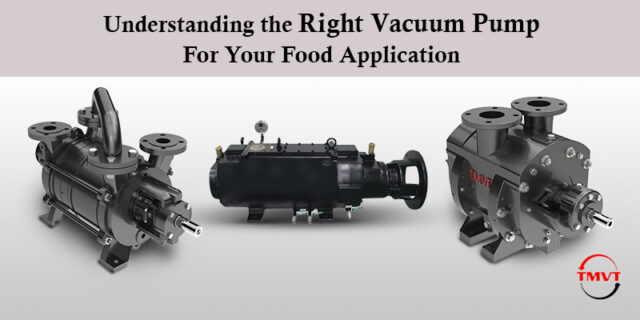
Not all vacuum pumps are suitable for every food application. Here are the three main types of Vacuum Pumps used in the food industry, along with their advantages and best uses:
Oil-Sealed Rotary Vane Pumps
Performance Characteristics of Rotary Vane Pumps Oil-Sealed Rotary Vane Pumps are used in such food processing and packaging applications. These pumps offer:
- High vacuum levels
- Robust performance
- Cost-effectiveness
Dry Screw Pumps
Dry screw pumps are becoming popular in the food industry because of:
- Oil-free operation
- Low maintenance requirements
- Ability to handle vapors and moisture
Liquid Ring Pumps
- Tolerant to moisture
- Handles wet processes efficiently
Each of them has its advantages and spaces they work best in:
| Pump Type | Advantages | Best Applications |
| Oil-sealed rotary vane | High vacuum levels, cost-effective | General food packaging |
| Dry screw pump | Oil-free operation, low maintenance | Sensitive food products |
| Liquid ring pump | Tolerant to moisture, ideal for wet processes | Beverage processing, meat packaging |
👉 Not sure which vacuum pump suits your food processing needs? Contact TMVT for expert guidance and customized solutions
Key Applications of Vacuum Pump in the food industry
The versatility and efficiency of electric fields make them essential tools in diverse food applications, enhancing product quality, safety, and shelf stability.
Food Packaging and Preservation
Vacuum pumps are essential in food packaging and preservation, helping to keep food fresh and safe for consumption. These devices play an important role in:
- Modified Atmosphere Packaging (MAP): Reduces oxygen content, slows spoilage
- Vacuum sealing: Prevents oxidation, maintains flavor
- Shelf-life extension: Extends product longevity, reduces waste.
Food Processing
Vacuum pumps are essential for multiple applications in food processing:
- Deaeration: Removing air bubbles from liquids and semi-solids
- Freeze-drying: Preserving food while maintaining nutritional value
- Vacuum cooking: Enhancing flavor and texture of foods
Bottling and Canning
In the industrial sectors of bottling and canning, vacuum pumps ensure:
- Proper sealing of containers
- Removal of excess air
- Prevention of contamination
Vacuum Filtration
Uses of vacuum pumps in the beverage industry:
- Clarifying liquids and removing impurities
- Enhancing product quality in the beverage and dairy industries.
- They are also used in the meat industry to tenderize and marinate
The 7 Main Factors To Consider When Buying a Vacuum Pump For Food Application:
There are multiple factors that should guide your choice whenever you are looking for a vacuum pump:
- Required Vacuum Level: Ensure the pump can achieve the necessary pressure for your application.
- Flow Rate Needs: Match the pump’s capacity to your production volume.
- Operating Environment: Consider temperature, humidity, and other environmental factors.
- Maintenance Requirements: Opt for pumps with low maintenance needs to reduce downtime.
- Energy Efficiency: Choose energy-efficient models to lower operational costs.
- Noise Levels: Consider noise reduction for a better working environment.
- Compliance with Food Safety Standards: Ensure the pump meets FDA, HACCP, and ISO 22000 standards.
Also Selecting the right size vacuum pump can be crucial for performance and efficiency. If the pump is undersized, it will fail to reach the proper vacuum level, while if it is oversized, it will consume much energy — which in turn, will be reflected in higher operation costs.
How Vacuum Pumps Enhance Efficiency In Food Processing Operations?
Streamlined Production
Vacuum pumps are essential in food processing operations. They also reduce the process time by a lot:
- Accelerating drying and dehydration processes
- Enhancing mixing and blending efficiency
- Facilitating faster cooling and freezing
For example, in freeze-drying applications vacuum pumps can decrease processing time by up to 30% leading to greater throughput.
Energy Conservation
Energy savings with vacuum pumps in food processing:
| Process | Energy Savings |
| Drying | Up to 40% |
| Cooling | Up to 25% |
| Packaging | Up to 35% |
Vacuum pumps create low-pressure environments that decrease the heat necessary and ultimately lower energy needs.
Product Quality Enhancement
The vacuum technology helps improve the quality of food in many ways. Some of them are as follows –
- Preserving nutritional value
- Maintaining color and texture
- Reducing oxidation and spoilage
Or that vacuum-assisted blanching preserves as much as 25% more vitamin C than traditional methods do in vegetables.
Waste Reduction
The waste reduction circle in food processing involves vacuum pumps in the following ways:
- Reducing product loss in packaging
- Improved preservation for longer shelf life
- Yield improvement on extractive processes
Not only do these benefits improve efficiency, but they also further sustainability in food production.
👉 Optimize your food production with the right vacuum pump. Get a free consultation today!
Vacuum Preservation: Extending Shelf Life and Reducing Waste
Vacuum pumps are essential in prolonging the shelf life of food by developing an atmosphere that prevents microbiological growth and oxidation. These pumps remove volumes of air from packaging, effectively lowering the oxygen level, which is a key element in survival & reproduction for most spoilage organisms. This procedure delays spoilage and cooking by prolonging the quality of the food.
Advantages of Vacuum Preservation
- Inhibits bacterial growth
- Prevents oxidation and rancidity
- Maintains food texture and flavor
- Reduces food waste
Shelf Life Extension for Different Food Types
The scale of vacuum maintenance varies for different category of food. Here’s a comparison:
| Food Type | Shelf Life Extension | Notable Benefits |
| Meats | 3-5 times longer | Prevents freezer burn |
| Cheese | 2-3 times longer | Maintains texture |
| Fruits | 1-2 weeks extra | Preserves color |
| Dry goods | Several months | Protects from moisture |
Vacuum Pumps in Modified Atmosphere Packaging (MAP)
Modified Atmosphere Packaging (MAP) is a game-changer in food preservation. Vacuum pumps play a crucial role in this process by:
- Evacuating air and replacing it with a specific gas mixture.
- Creating an optimal atmosphere for each food type.
- Extending shelf life by suppressing microbial growth and oxidation.
For example:
- High-CO2 atmospheres: Ideal for baked goods to prevent mold.
- Nitrogen-rich environments: Perfect for nuts and snacks to prevent oxidation.
Tips for Selecting Food Safety Compliant Vacuum Pump Manufacturers
When choosing a vacuum pump manufacturer, food safety compliance should be your top priority. Here’s what to look for:
Evaluating Food Safety Compliance
When selecting vacuum pump manufacturers for food applications, it’s crucial to ensure they comply with stringent food safety standards. Look for certifications such as:
- FDA (Food and Drug Administration) approval
- HACCP (Hazard Analysis and Critical Control Points) certification
- ISO 22000 Food Safety Management System
- GFSI (Global Food Safety Initiative) recognition
Material Compatibility Assessment
Select manufacturers that employ food-grade materials in their vacuum pumps. Key considerations include:
- Construction: stainless steel
- Food-grade lubricants
- Non-toxic seals and gaskets
Assessing Cleaning and Maintenance Protocols
Food safety relies heavily on cleaning and maintenance. Assess manufacturers according to:
Easy-to-clean designs
CIP (Clean-in-Place) compatibility
Detailed maintenance guidelines
Availability of food-safe spare parts
Examining Quality Control Measures
Check the manufacturer has strong quality control measures:
- Regular product testing
- Traceability systems
- Good Manufacturing Practices (GMP) compliance
- Inspections and audits by third parties
Choosing the Right Vacuum Pump for Your Food Application
Selecting the right vacuum pump is critical for ensuring optimal food processing, packaging, and preservation. By understanding the different types of vacuum pumps, their applications, and the factors to consider when choosing one, you can make informed decisions that enhance your production efficiency and comply with food safety standards.
When selecting a vacuum pump manufacturer, prioritize those that adhere to stringent food safety regulations. This ensures your equipment meets industry standards and contributes to the overall quality and safety of your food products. With the right knowledge and collaboration with reputable manufacturers, you can leverage vacuum technology to elevate your food processing operations and deliver premium products to consumers.
If you’re looking for the best vacuum pump manufacturers in India, look no further than TMVT Industries Pvt Ltd. With years of expertise and a commitment to quality, TMVT offers state-of-the-art vacuum pumps designed specifically for the food industry. Visit tmvt website to explore their range of products and discover why they are the trusted choice for food manufacturers across the country.
Why Choose TMVT Industries Pvt Ltd?
- Industry-Leading Expertise: Decades of experience in vacuum pump technology.
- Food-Safe Solutions: Compliant with FDA, HACCP, and ISO 22000 standards.
- Customized Options: Tailored solutions for your specific food applications.
- Energy-Efficient Designs: Reduce operational costs while maintaining high performance.
- Exceptional Customer Support: Dedicated service and maintenance teams to ensure seamless operations.