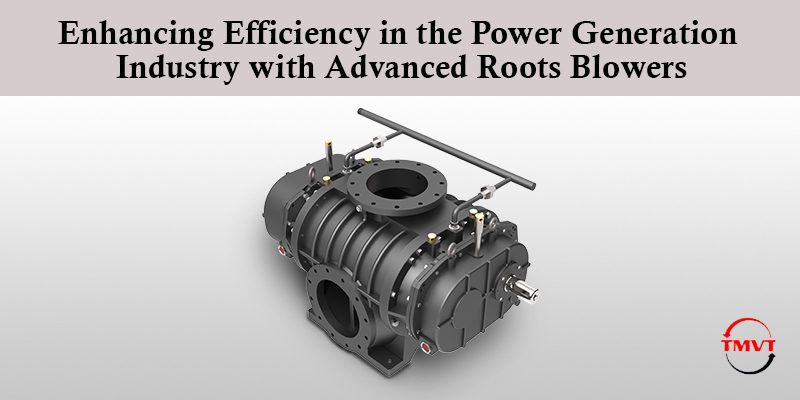
Enhancing-Efficiency-in-the-Power-Generation-Industry-with-Advanced-Roots-Blowers.jpg

June 26, 20240

Have you ever given the unseen heroes who propel efficiency in the electricity generation sector any thought? The powerful Roots blowers, a device that is both dependable and ground-breaking in its impact, are among these unsung heroes.

What is a Roots Blower?

Roots blowers are rotary lobe compressors that generate pressurized or vacuum air for industrial processes. By utilizing positive displacement technology. Roots blowers work nonstop underneath the surface of power plants, supplying the steady flow of gases and air needed to produce energy. These blowers, which can be either twin-lobe-Roots blower or three-lobe Roots blower families, are the backbone of the system since they precisely flow gases and maintain pressure differentials.

Importance of Roots Blowers in Power Generation

Positive displacement blowers, also known as Roots blowers, are highly useful in power-generating applications because of their intricate design, which produces constant airflow and pressure levels. They are dependable, powerful machines with exceptional construction and operation that greatly improve overall operational efficiency.
The need for sophisticated Roots blowers is growing as the energy industry develops and places more emphasis on efficiency and sustainability. Because of their eco-friendly design and capacity to function flawlessly in harsh settings, they are crucial parts of contemporary power production facilities that aim for higher efficiency and lower carbon footprints.

Benefits of Using Roots Blowers in Power Generation Industries

However, what distinguishes Roots blowers and makes them the preferred option for increasing power generation efficiency?

Energy Efficiency:  Their energy-efficient operation, minimal maintenance needs, and precise engineering hold the key to the solution.
Low Maintenance: Design and construction of Roots Type Blowers make them highly durable and require minimal maintenance, which is essential for industries like power generation where downtime can be costly.
Cost-effectiveness: Roots Type Blowers are essential for cutting operating costs and increasing output in power plants because of their high dependability and short downtime.
Reliability: Because of its strength and adaptability, the Roots-type blower is exceptional and may be used in a variety of power production applications. The energy sector favours the Roots blower because of its efficiency and versatility in material conveying, pneumatic conveying, and aeration processes

Choosing the Right Roots Blower for Your Power Plant

When choosing a reliable root blower, TMVT’s root blowers are a must. Pick the best Roots blower for power generation. Because of their experience and commitment to excellence, TMVT top Root Blower manufacturers in India make sure that every Roots blower is made in accordance with industry standards and particular customer needs, ensuring lifetime and peak performance.

Conclusion

Roots Blower journey in the power generation sector is one of tenacity, inventiveness, and effectiveness. Our lives are discreetly powered by these unsung warriors who make sure that electricity is produced sustainably and effectively. Even though their influence is not readily apparent, they have made an indisputable contribution to the energy sector, which will help to shape a more efficient and brighter future for all of us.

For inquiries about TMVT Roots Blowers and other industrial solutions contact us. Our team of experts is ready to assist you with any questions or requirements you may have
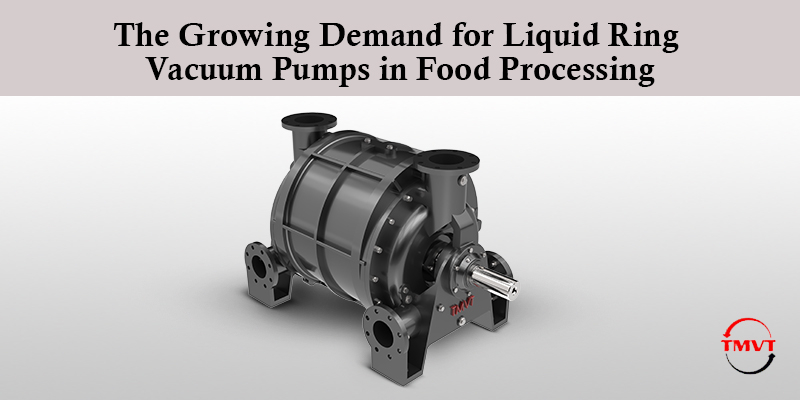
The-Growing-Demand-for-Liquid-Ring-Vacuum-Pumps-in-Food-Processing.jpg

June 26, 20240

When it comes to food processing industry, Efficiency and quality are extremely important. The liquid ring vacuum pump is a vital factor that makes sure operations run smoothly. These devices, also referred to as liquid ring vacuum pumps or water ring vacuum pumps, are gaining popularity in the food processing sector for their dependability, effectiveness, and flexibility.

What is a Liquid Ring Vacuum Pump?

Liquid Ring vacuum pump – A liquid ring vacuum pump is a versatile machine used to create a vacuum in various industrial applications such as chemical, electrical power, environmental, food & beverage processing and packaging, marine, mining, oil & gas, pharmaceutical, pulp & paper, and textiles.

How Liquid Ring Vacuum Pump for the Food Industry?

Liquid ring vacuum pumps function by utilizing a liquid, commonly water, as a sealing agent. This special characteristic enables them to easily manage wet and humid operations, making them perfect for a range of uses in food processing facilities. Liquid ring vacuum pumps are essential in maintaining the quality and safety of food products, from packaging and sealing to freeze-drying and deaeration.

Advantages of Using Liquid Ring Vacuum Pumps in Food Processing

Liquid ring vacuum pumps have a significant advantage in effectively managing liquid carryover. In the food processing industry, it is essential to prevent contamination and maintain product integrity due to the abundance of liquids and moisture. Liquid ring vacuum pumps are a dependable option for food processing facilities because they are able to effectively manage condensable vapors and liquid carryover while maintaining optimal performance.
Additionally, liquid ring vacuum pumps are recognized for their energy efficiency and minimal maintenance needs. The uncomplicated design and water sealing help decrease costs and downtime, providing important advantages for food processing companies aiming to enhance production efficiency and cut expenses.

Applications of Liquid Ring Vacuum Pumps in the Food Processing Industry

Liquid ring vacuum pumps are in high demand in food processing Industry for their capability to manage various operating conditions effectively. These pumps provide flexibility and precision for tasks such as vacuum packaging fragile food items or aiding in the drying process of food products, guaranteeing uniform results and superior product quality.

As long as technological breakthroughs continue, the importance of our TMVT’s reliable liquid ring vacuum pumps in the food processing industry cannot be overstated. Demand for high-quality products continues to rise because of stricter food safety laws and increased consumer expectations, investing in our effective liquid ring vacuum pumps is essential for increasing productivity and maintaining industrial competitiveness.

Conclusion

The food processing industry’s growing need for liquid ring vacuum pumps emphasizes how crucial these pumps are to effective operations, high standards of sanitation, and high-quality products.

By utilising the innovative features of liquid ring vacuum pumps, food processing companies can meet the evolving demands of the industry and maintain the quality and safety of their products.For inquiries about TMVT Liquid Ring Vacuum Pumps and other industrial solutions contact us Our team of experts is ready to assist you with any questions or requirements.


Water-Cooled-Blowers-for-Steel-Mills.jpg

May 15, 20240

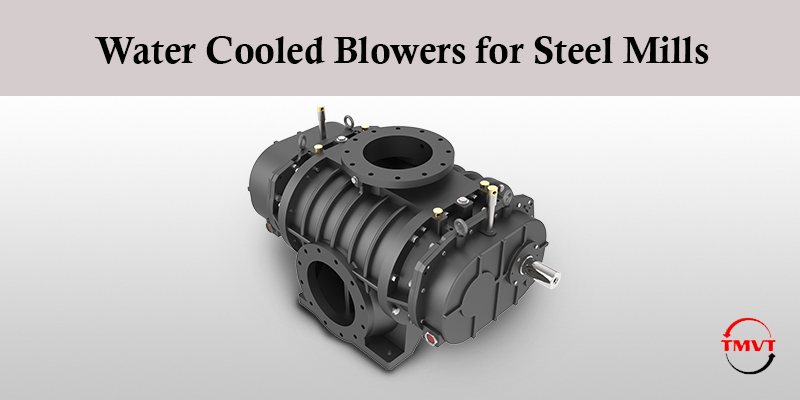
TMVT’s water cooled blower is a mechanical device that is used to deliver pressurized air or gas.

Features of water cooled blowers make them useful in a range of industrial applications.

Following are the important features:

Enhanced Cooling Efficiency: The blower can function properly even in hot conditions thanks to the water-cooling system’s ability to efficiently remove heat from it.

Less Noise: Because these blowers have superior heat management than air-cooled blowers, they frequently run more silently.

Enhanced Durability: The water’s steady cooling contributes to the blower’s component maintenance, extending its life.

Greater Performance: Water-cooled blowers are appropriate for demanding applications because they can withstand higher pressures and flow rates.

Compact Design: A more condensed and space-saving design is made possible by the effective cooling system.

Energy Efficiency: Since the blower doesn’t have to work as hard to maintain ideal temperatures, improved cooling can result in increased energy efficiency supplied through water cooled blowers.

Less Maintenance: Less thermal stress on components results from efficient cooling, which reduces the need for maintenance.

Versatility: Appropriate for a variety of uses, including as pneumatic conveying, wastewater treatment, and industrial processes.

Environmentally Friendly: Using a closed-loop system that reduces water waste can make water cooling more environmentally friendly.

How does TMVT’s water-cooled blower ensure reliable operation?

1) Steady Airflow: The efficient operation of furnaces and other equipment in steel mills is ensured by water-cooled blowers, which offer a steady airflow. This is essential to preserving a steady production process and avoiding any interruptions that can cause expensive downtime.
2) Heat Dissipation: The cooling system’s water’s main job is to absorb heat produced during compression. The cooling system then dissipates this heat, keeping the blower operating at a safe temperature. This procedure guards against equipment overheating and guarantees dependable performance.

3) Customization Options: Steel mills can have water-cooled blowers tailored to their unique requirements. This makes them an adaptable choice for a range of industrial applications because it takes into account elements like flow rate, pressure, and temperature requirements.

4) Reliability: Steel mills are always in operation, therefore any production hiccup can lead to large losses. Because of its effective cooling system, water-cooled blowers operate reliably and may work constantly without overheating.

Water Cooled Blowers for Steel Mills

In steel mills, water-cooled blowers are essential for a number of reasons. First of all, they aid in temperature regulation during the steelmaking process, guaranteeing ideal production conditions. They stop machinery overheating, which could result in costly repairs and downtime, by circulating water. Water-cooled blowers also contribute to steady airflow, which is necessary for effective combustion in furnaces and other machinery. In steel mills, this dependability minimizes production delays and maximizes output by guaranteeing continuous operation.

Overall, the reliable operation of water cooled blowers, in a variety of industrial applications is ensured by the combination of efficient heat dissipation, temperature control, condensation management, and decreased wear and tear.

For inquiries about TMVT’s water cooled blowers and other industrial solutions contact us. Our team of experts is ready to assist you with any questions or requirements you may have.


The-Role-of-Liquid-Ring-Pumps-in-Chemical-and-Pharmaceutical-Production.jpg

May 2, 20240

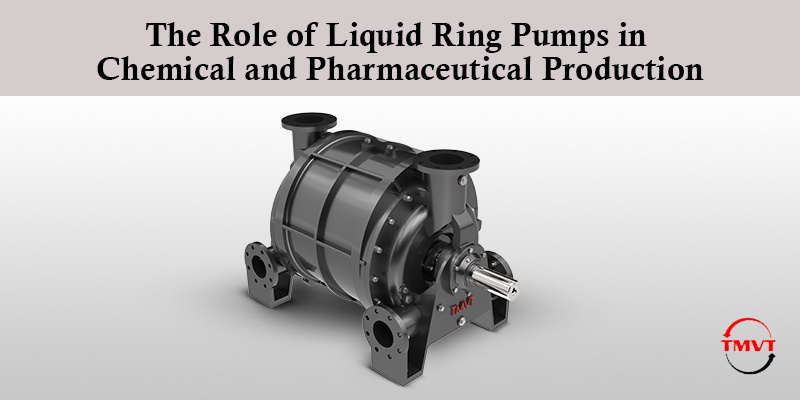
Liquid ring vacuum pumps are designed with cutting-edge technology to provide optimal, reliable performance for the demanding requirements of resilient industrial applications and the most reliable and affordable solution designed to satisfy particular client needs.

Liquid Ring Pumps in Chemical and Pharmaceutical Production

Let’s see how liquid ring vacuum pumps in chemical industries and pharmaceutical industries play an important role in maximizing efficiency and reliability.

Features of Liquid Ring Vacuum Pumps

Quiet and Cool Operation: The pump operates quietly because the sealing water inside of it circulates. The noise
level of the operation is not higher than 85 dBA.

Environment friendly: Pumps don’t need filters, oil pans, condensers, oil changes, or anything else. Plant rooms are therefore kept clean and free of oil pollution and oil discharges into the wastewater system.

Continuous Operation at Any Vacuum Level: The pump has the ability to run continuously and continually at any vacuum level, ranging from air pressure to 28 inches of mercury.

Maintenance ease: Take into account how simple and easy the liquid ring vacuum pump is to maintain and service. Easy troubleshooting, availability of spare parts, and component accessibility are a few examples of factors that can have a big impact on total operation and maintenance expenses.

The chemical & Pharmaceutical industry relies heavily on technologies that maximize performance and ensure safety. Every detail needs to be carefully handled, from maintaining the integrity of procedures to protecting employees’ health. The fact that they are made to handle both corrosive liquids and the fumes from dangerous chemicals lowers the possibility of contamination or mishaps. Liquid ring vacuum pumps can also improve process efficiency by swiftly and effectively eliminating impurities from the system. For this reason, liquid ring vacuum pumps are now a necessary equipment in this industry.

On the website of our company, TMVT industries pvt. ltd., you can learn about the significant applications of liquid ring vacuum pumps in the following industries: mining, refineries, asbestos and plasterboard, steel, medicine, textiles, marine packaging, pulp and paper, wood, automobiles, laboratories, clay and ceramic, plastic, tobacco, sugar, food industries, energy production, treatment of water, and electrical engineering.

For more information on how TMVT’s liquid ring vacuum pumps can benefit your industry, contact us today. Our team of experts is ready to assist you with all your needs.


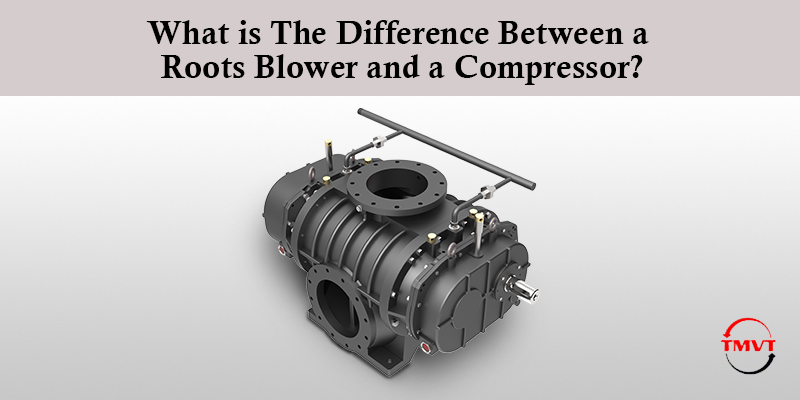
What-is-The-Difference-Between-a-Roots-Blower-and-a-Compressor.jpg

April 15, 20240

The words “compressor” and “roots blower” describe machinery that raises gas pressure. Although their basic purpose of moving gases or air may seem identical, they have various functions and are better suited for distinct uses. I’ll go over the main distinctions between a Roots blower and other kinds of compressors below, paying special attention to the features that set Roots blowers apart.

Roots Blower

A Roots blower is a positive displacement blower. It works by first forcing (displacing) a certain volume of trapped air into the discharge pipe. The following are some differences and features unique to Roots blowers:

1. Twin Lobe Blower: This is the traditional Roots blower design, with two interlocking rotors known as lobes. Air is transferred from the intake side to the exhaust as they revolve because it becomes trapped between the lobes and the housing.

2. The three Lobe Roots Blowers variant employs three lobes as opposed to two. In comparison to twin lobe blowers, the inclusion of a third lobe lessens vibration and pulsation, leading to quieter operation and less mechanical stress.

3. Vacuum Duty Root Blower: These blowers are made especially for vacuum applications, where they must continue to function even at reduced atmospheric pressures.

4. Positive Displacement Blower: Roots blowers fall under this larger category. The mechanism by which positive displacement blowers increase the pressure of a captured air or gas pocket is by decreasing its volume.

Compressor

A compressor is a mechanical device that lowers the volume of a gas in order to raise its pressure. There are many different kinds of compressors, such as axial, reciprocating, centrifugal, and rotary screw compressors. Certain compressors (such as turbo compressors) are not based on positive displacement, in contrast to Roots blowers. They vary from Roots blowers in the following ways:

1. Rotating Screw Compressors: These compress air by means of two rotors, which are meshing helical screws. When air enters from one end and becomes stuck between the rotors, its volume reduces as it travels along the screws, which raises the air pressure.

2. Turbo compressors: They work by accelerating air through the use of a rotating impeller. The air is slowed down in a diffuser, where its velocity is transformed into pressure.
3. Reversible Compressors: Using pistons driven by a crankshaft inside a cylinder, these compressors function similarly to positive displacement blowers by increasing pressure through reducing volume.

Key Differences

Mechanism: Roots blowers are a kind of positive displacement blower that, with each cycle, moves and traps a fixed amount of air. With the exception of positive displacement models, the majority of compressors compress air by turning kinetic energy into pressure.

Pressure and Efficiency: In comparison to many other compressor types, roots blowers typically result in smaller pressure rises. Furthermore, because of leakage (slip) back from the discharge side to the intake, they are less effective at higher pressure ratios.

Applications: Roots blowers are preferred for applications (such as wastewater treatment and compressor conveying) that call for high air volumes at relatively low pressures. Pneumatic tools, air conditioning systems, refrigeration, and other applications requiring high pressures require compressors, particularly non-positive displacement types.

Identifying these distinctions makes it easier to select the appropriate machinery for a certain industrial, automotive, or commercial application, guaranteeing operational effectiveness and efficiency. For more information, Get in touch with us here.


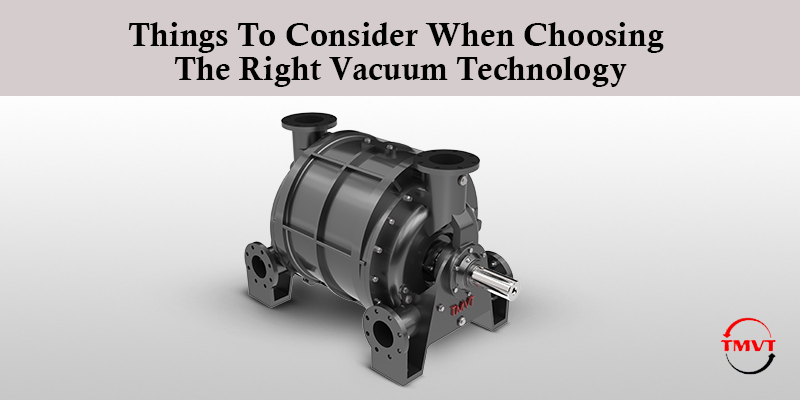
Things-To-Consider-When-Choosing-The-Right-Vacuum-Technology.jpg

April 2, 20240

To ensure the best efficiency and performance possible, selecting the appropriate vacuum technology for a certain industrial application can be essential. TMVT Liquid ring vacuum pumps, water ring vacuum pumps, liquid seal vacuum pumps are noteworthy among the available possibilities. These are important factors to take into account while choosing the right technology.

Creating the Perfect Atmosphere for Vacuum Technology

• Temperature: Because the operating liquid may absorb heat produced during compression, liquid ring pumps—such as water ring and liquid seal vacuum pumps—perform well in situations with temperature fluctuations.

• Corrosive Materials: Liquid ring pumps that use water or other liquids as the sealant can be useful if the process contains corrosive gases or vapours since they can handle these materials without suffering severe damage.

Costs of Maintenance and Services

• Liquid Ring Vacuum Pumps: If water is hard to come by or needs to be treated, these pumps may require an ongoing supply of service liquid, typically water, which could raise operating expenses.

Ensuring Reliability: The Backbone of Vacuum Technology

• Construction Material: The materials utilised in the construction of vacuum pumps might have an impact on their longevity. Handling corrosive or abrasive fluids requires the use of stainless steel or other materials resistant to corrosion.

• Wear and Tear: Evaluate the normal wear and tear of each type of pump, taking into account the potential impact of abrasive particles in the operating fluids on lifetime.

 Environmental Factors in Vacuum Technology

• Emissions and Noise: Compared to positive displacement pumps, liquid ring pumps are often quieter and generate fewer vibrations, making them appropriate for settings where noise levels are a concern.

• Water Usage: Take into account the environmental effects of employing a water ring or liquid seal pump, particularly in locations where water conservation is a top priority.

Performance Guidelines for Optimal Vacuum Performance

• Vacuum Levels and Air Flow: Evaluate if you require high airflow rates or high vacuum levels. Although liquid ring pumps normally do not reach as high a vacuum as some other pump types, they nonetheless function consistently and dependably at moderate vacuum levels.

Space Considerations in Vacuum Systems

• Space Availability: The vacuum pump’s dimensions and design play a significant role. Compared to more compact positive displacement pumps, water-cooled blowers and some big liquid ring pumps may require additional room and infrastructure.

• Integration: Take into account how simple it will be to incorporate vacuum technology with your current setup. Examine for incompatibilities in electrical supply, control systems, and pipe designs.

Strategies for Cost-Effective Vacuum Solutions

Duration of Investment vs. Expenses Over Time:

Their ongoing operating costs may increase since they require constant liquid replenishment.

You can choose a vacuum TMVT technology that best suits your demands and provides the highest return on investment by carefully weighing these considerations.
When dealing with difficult conditions containing moisture, gases, and particulates—where maintaining a precise degree of vacuum is essential without sacrificing system integrity—liquid ring pumps and related technologies are especially well-suited.

TMVT vacuum systems are pre-designed, engineered, and manufactured in our state-of-the art, modern manufacturing facility. systems are suited to a wide range of applications.
For more information, Get in touch with us here.


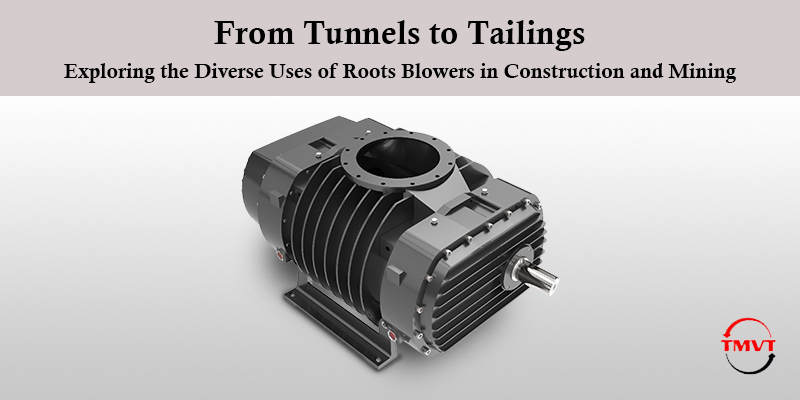
From-Tunnels-to-Tailings-Exploring-the-Diverse-Uses-of-Roots-Blowers-in-Construction-and-Mining.jpg

March 15, 20240

Roots blowers are mechanical devices that catch and transmit gas through revolving lobes inside a casing to raise gas pressure or flow. They are extensively utilised in sectors like chemical processing, pneumatic conveying, wastewater treatment, and conveying because to their reputation for dependability, simplicity, and pulsation-free airflow.

Importance of Root blowers:

Facilitate ventilation in underground mines, ensuring safety and air quality for workers.
Aid in pneumatic conveying of materials, expediting construction processes.

Assist in dust suppression, reducing health hazards and improving worksite visibility.
Enable precise control of air flow for tunnelling and excavation operations.

Essential for powering pneumatic tools used in construction and mining activities.

Evolution:

The manufacturing of root blowers at TMVT Pvt Ltd has been characterised by constant invention and modification to satisfy market demands. Root blowers were first used for pneumatic conveying, but their dependability led to their rapid adoption in a variety of industries. TMVT Industries Pvt Ltd. has worked to improve root blower designs over time, with a particular emphasis on durability, efficiency, and customisation possibilities. Ours root blowers use advanced technological features such precise machining, enhanced materials, and energy-efficient components. To ensure peak performance, the business has also embraced digital integration for predictive maintenance and condition monitoring. We are dedicated to offering premium root blowers that are customised to meet various industrial needs, with an emphasis on sustainability and client satisfaction.

Root blowers Applications in Construction:

Tunnel building: In order to maintain adequate airflow and safe working conditions for workers, ventilation in tunnel building projects is accomplished by the employment of root blowers.

Dewatering: Root blowers can be used to pump away water from excavation pits on construction sites, which helps with the dewatering process.

Waste Management: By supplying electricity to hoover systems that gather and move material, root blowers are essential to the efficient management of construction waste.

Tailings Management: The waste materials left over after desired minerals are extracted from the ground can be managed in mining operations using root blowers. They can aid in the efficient processing and transportation of tailings.

Root blowers applications in Mining:

Aeration: In mining operations, root blowers are frequently used for aeration, especially in wastewater treatment procedures. They give aerobic microorganisms a constant supply of oxygen, which aids in the breakdown of organic materials and efficient wastewater treatment.

Material Handling: Pneumatic conveying and other material handling operations in mining are performed by root blowers. By generating airflow, they facilitate the transportation of materials through ducts or pipes, including coal, ore, and minerals.

Processing Equipment: Root blowers are also used in a variety of mining operations’ processing equipment, including flotation cells, where they supply air to enable the process of separating valuable minerals from gangue material through flotation.

In many different applications, root blowers are a major factor in increasing the productivity, safety, and efficiency of mining operations.

Find out how you can streamline your industrial processes with Roots blowers.

Speak with professionals to tailor Roots blower solutions to your unique requirements.

Integrate Roots blowers into your processes to discover possible cost savings.

Discover the most recent developments and inventions in Roots blower technology.

Use the consultation services to evaluate your current configuration and find ways to use Roots blowers to improve it.

Optimise efficiency and output with custom blower solutions from Roots, get in touch to explore how we can help you.


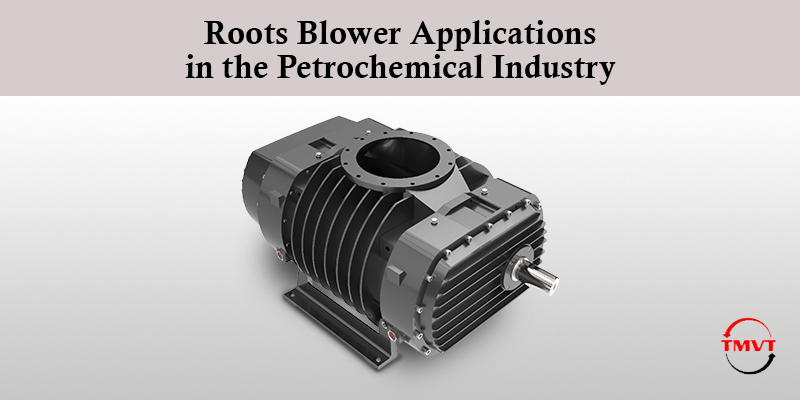
Roots-Blower-Applications-in-the-Petrochemical-Industry.jpg

March 2, 20240

Introduction

Blowers with lobes are essential to many industrial operations, particularly those in the petrochemical industry. Examining their applications and operating principles is necessary to comprehend their relevance in this business.

Understanding Roots Blowers

Definition & basic principles of root blowers:

Roots blower compressors are a particular kind of equipment that assist in pumping large volumes of gas and air. Since air is used in various processes and sectors, the compressor’s primary goal is to move air from one location to another.

Here are their basic principles and components broken down:

Principle of operation: which involves trapping air or gas in spaces between the blower case and revolving lobes. The air pockets are moved from the intake to the outlet by the rotating lobes, producing a constant flow.

Lobes: The two or three lobes of a root blower usually revolve independently of the blower shell and each other. Gears or belts attached to an external power source power these lobes.

Casing : Enclosing the lobes, the casing serves as a housing for the blower mechanism. Its purpose is to keep the spinning parts in perfect alignment and reduce air leakage.

Inlet and outlet ports : Gas and air can enter and depart the blower through the inlet and outlet ports. Usually, they have flanges to attach hoses or pipes to them.

Seals and bearings: While bearings support the rotating shaft and guarantee smooth operation, seals stop air leakage between the stationary and revolving components of the blower.

Drive Mechanism: Internal combustion engines or electric motors power root blowers. The lobes rotate as a result of power being transmitted to them by the drive mechanism.

Cooling System: To disperse heat produced during operation, root blowers in particular applications need a cooling system. Air or water cooling may be used for this, based on the application’s particular needs.

Control System: To keep an eye on operational parameters like speed, temperature, and pressure, contemporary root blowers may be equipped with electronic control systems. These devices help guard against blower damage and maximise performance.

Materials of construction: To survive severe operating conditions and corrosive environments, root blowers used in the petrochemical industry are frequently built from materials like cast iron, steel, or stainless steel.

Roots blowers are well known for their strength, dependability, and capacity to deliver airflow without pulsation. Because of their effective positive displacement mechanism, they are used in many different sectors, such as chemical processing, aeration, wastewater treatment, and pneumatic conveying.

Petrochemical Industry Overview

Since it produces vital chemicals from natural gas and petroleum, the petrochemical industry is vital to modern civilization. These substances are used as raw ingredients to make many different goods, such as synthetic fibres, plastics, fertilisers, and medications.

Petrochemical industry and its significance in modern society

Foundation of sectors: Petrochemicals are essential components that support a wide range of sectors, such as electronics, healthcare, automotive, and construction.

Economic Driver: The sector supports millions of livelihoods and promotes economic development by making a major worldwide contribution to GDP and employment creation.

Energy Supply: Petrochemicals ensure energy security and power contemporary infrastructure by supplying necessary fuels for industrial processes, transportation, heating, and electricity generation.

Innovation Hub: Petrochemicals are the engine of technical innovation, resulting in the creation of novel materials, procedures, and goods that improve everyday living and tackle social issues.

Global Trade Enabler: The global trade of petrochemical products facilitates cross-border exchanges of commodities and services as well as international business.

Applications of Roots Blowers in the Petrochemical Industry

Gas Compression: In petrochemical operations, roots blowers are used to compress a variety of gases, increasing their pressure for chemical reactions, transportation, and refinement.

Aeration: Root blowers are used in petrochemical facilities’ aeration systems to keep the oxygen levels in aerobic fermentation processes at ideal levels and to provider air in small areas to prevent the build-up of dangerous gases.

Fluidization: By suspending solid particles in a fluid medium, roots blowers aid in the fluidization operations. In reactors and storage tanks, this facilitates catalyst activation, particle movement, and mixing.

Wastewater Treatment: By supplying aeration for biological treatment processes, roots blowers are essential to the treatment of wastewater. They provide microbial colonies with oxygen, which encourages the decomposition of organic contaminants and guarantees efficient treatment.

Conclusion :
Roots blowers play a variety of functions in gas compression, aeration, fluidization, wastewater treatment, and vacuum generation, all of which are essential to the petrochemical industry’s smooth operation. Their dependability and adaptability highlight how vital they are to maintaining industrial procedures that are essential to the demands and advancement of contemporary civilization. Get in touch to explore how we can help you.


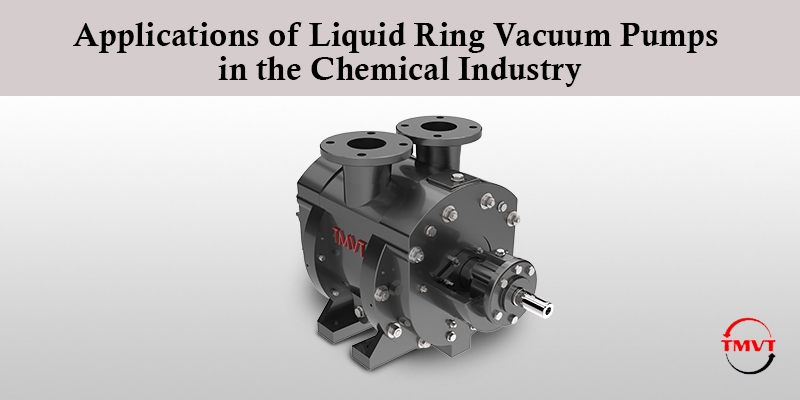
Applications-of-Liquid-Ring-Vacuum-Pumps-in-the-Chemical-Industry.jpg

February 15, 20240

In the intricate landscape of the chemical industry, where precision and efficiency are
paramount, the role of vacuum pumps stands as a silent yet indispensable force. These pumps
are the unsung heroes behind numerous processes that shape the production of chemicals we
rely on in our daily lives. Among the various types of vacuum pumps available, liquid ring
vacuum pumps emerge as a versatile solution, finding extensive applications in the chemical
industry due to their reliability, efficiency, and compatibility with the harsh demands of chemical
processes.

Understanding Vacuum Pumps in Industrial Processes

Before delving into the specifics of liquid ring vacuum pumps, it’s crucial to grasp the
significance of vacuum pumps in industrial settings. Vacuum pumps play a pivotal role in
creating and maintaining vacuum conditions necessary for various processes across industries.
In the chemical sector, where reactions often occur under controlled pressure and temperature
conditions, vacuum pumps become indispensable tools for achieving desired outcomes.

Introduction to Liquid Ring Vacuum Pumps

Among the array of vacuum pump technologies, liquid ring vacuum pumps stand out for their
robustness and adaptability to challenging environments. These pumps rely on a simple yet
effective principle: a rotating liquid ring creates a seal, enabling the pump to create a vacuum by
removing gas from a closed chamber. This unique design allows liquid ring vacuum pumps to
handle both liquid and gas mixtures, making them ideal for a wide range of applications in the
chemical industry.

Applications in Chemical Processes

Liquid ring vacuum pumps find extensive utilization across various chemical processes,
contributing to enhanced efficiency, reliability, and product quality. In distillation processes,
crucial for separating components of chemical mixtures, liquid ring vacuum pumps facilitate
fractional distillation, ensuring precise control over separation processes (distillation processes).
Similarly, in drying processes essential for removing moisture from chemical products, these
pumps play a vital role in accelerating drying times and maintaining product integrity (drying
processes).

In the realm of deaeration, where gases must be efficiently removed from liquids to prevent
undesirable reactions, liquid ring vacuum pumps excel, ensuring the purity and stability of
chemical solutions (deaeration techniques). Furthermore, in evaporation systems tasked with
concentrating and purifying chemical solutions, these pumps enable efficient removal of vapors,
facilitating the desired concentration levels (evaporation systems).

In filtration processes crucial for separating solids from liquids or gases, liquid ring vacuum
pumps provide the necessary suction force to drive filtration systems, ensuring efficient
separation and processing (filtration processes). Additionally, in crystallization methods essential
for producing high-purity crystalline products, liquid ring vacuum pumps enable precise control
over the crystallization process, resulting in superior product quality (crystallization methods).

Benefits of Liquid Ring Vacuum Pumps in the Chemical Industry

The adoption of liquid ring vacuum pumps in the chemical industry is further fueled by a myriad
of benefits they offer. Their inherent chemical compatibility makes them suitable for handling
corrosive and hazardous chemicals safely, mitigating risks associated with process operations
(chemical compatibility). Moreover, their energy efficiency and reliability contribute to optimizing
overall process performance and reducing operational costs (efficiency in chemical processes).
One of the key advantages of liquid ring vacuum pumps lies in their ability to provide precise
vacuum level control, ensuring optimal conditions for chemical reactions and processes
(process control). Additionally, these pumps require minimal maintenance compared to other
vacuum pump types, resulting in reduced downtime and operational disruptions (maintenance of
vacuum pumps).

Chemical Compatibility: Liquid ring vacuum pumps are well-suited for handling corrosive and
hazardous chemicals commonly encountered in the chemical industry. Their robust construction
and choice of materials ensure compatibility with a wide range of chemical substances.
Efficiency: Liquid ring vacuum pumps boast impressive energy efficiency and reliability,
contributing to cost savings and sustainable operations in chemical processes. Their ability to
operate continuously without significant fluctuations in performance enhances process
efficiency.

Process Control: Maintaining precise vacuum levels is critical in many chemical processes to
achieve desired outcomes. Liquid ring vacuum pumps offer superior control over vacuum levels,
allowing operators to optimize process parameters and ensure consistent product quality.
Reduced Maintenance: Compared to other types of vacuum pumps, liquid ring vacuum pumps
require minimal maintenance, thanks to their simple design and robust construction. This
translates to lower downtime and reduced operating costs for chemical manufacturers.

Conclusion

In conclusion, liquid ring vacuum pumps have emerged as indispensable assets in the chemical
industry, empowering manufacturers to achieve greater efficiency, reliability, and control over
their processes. With their versatility, reliability, and compatibility with harsh chemical
environments, these pumps continue to be at the forefront of innovation, driving advancements
in chemical production technologies. As the industry evolves, the role of liquid ring vacuum
pumps remains pivotal, offering sustainable solutions for the complex challenges faced by
chemical manufacturers.

Get in touch with us here


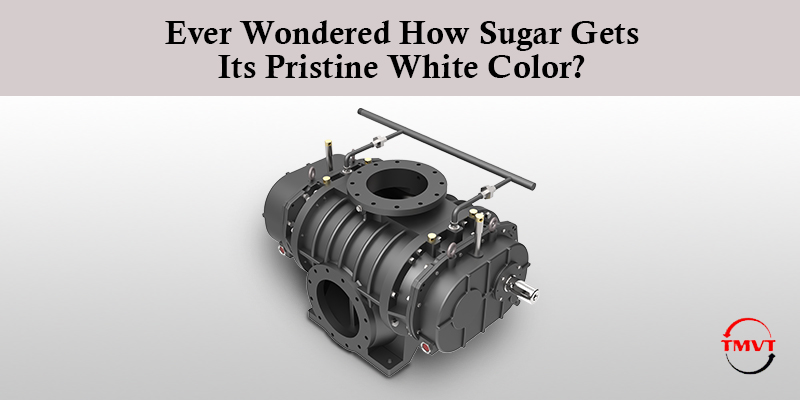
Ever-Wondered-How-Sugar-Gets-Its-Pristine-White-Color.jpg

February 2, 20240

Dive into the intricate process of sugar production, where industrial blower systems play a pivotal role.

Sugar, a staple in households worldwide, undergoes a complex journey before gracing our tables in its familiar form. From sugarcane or sugar beet to the refined granules we use daily, the process involves various stages, each crucial for achieving that desired sweetness. Today, let’s delve into the role of industrial blower systems in this fascinating journey.

Industrial blower systems are the unsung heroes of sugar production, quietly working behind the scenes to ensure efficiency and quality. But what exactly are they? Industrial blowers are machines designed to generate airflow for various industrial processes. In sugar production, they play multiple crucial roles.

First and foremost, airflow is vital in sugar refining. During the refining process, sugar syrup undergoes evaporation to concentrate it into a thick syrup. Industrial blowers facilitate this evaporation by providing consistent airflow, ensuring uniform heat distribution and preventing the formation of hot spots that could degrade the quality of the sugar.

Furthermore, industrial blowers aid in sugar crystallization, a crucial step in sugar refining. By controlling airflow and humidity levels, blowers help create the ideal conditions for sugar crystals to form evenly, resulting in the fine, uniform texture we expect from refined sugar.

But the role of industrial blowers doesn’t end there. They also play a key part in maintaining temperature and humidity levels throughout the processing plant. Whether it’s cooling the equipment or preventing excess moisture buildup, blowers ensure optimal conditions for each stage of sugar production.

To illustrate the significance of industrial blower systems, let’s consider some real-world examples. One prominent sugar refinery in Brazil implemented state-of-the-art blower technology to enhance its production efficiency. By integrating high-performance industrial blowers into their process, they not only increased throughput but also improved product quality and consistency.

The advantages of industrial blower systems in sugar production are manifold. Firstly, they contribute to increased efficiency and productivity by streamlining the refining process. With consistent airflow and controlled conditions, sugar refineries can produce larger quantities of sugar in less time.

Moreover, industrial blower systems offer cost-effectiveness and energy savings. By optimizing airflow and temperature control, refineries can reduce energy consumption and operational costs, translating into significant savings in the long run.

Another notable advantage is the maintenance of product quality and consistency. Industrial blowers ensure uniform conditions throughout the production process, resulting in sugar of consistent quality and appearance. Whether it’s fine granulated sugar or powdered sugar, industrial blower systems help maintain the desired attributes of the final product.

Additionally, industrial blower systems contribute to environmental sustainability. By improving energy efficiency and reducing waste, they align with the industry’s efforts to minimize its environmental footprint.

In conclusion, industrial blower systems are indispensable in the journey from sugarcane or sugar beet to the refined sugar we consume daily. By providing crucial airflow, temperature control, and humidity regulation, these systems ensure efficiency, consistency, and quality throughout the production process. With their numerous advantages, including increased productivity, cost-effectiveness, and environmental sustainability, industrial blower systems continue to drive innovation in sugar production, ensuring a steady supply of sweet delight for consumers worldwide.


Head Office

Manek Mahal, 5th & 7th Floor,
90, Veer Nariman Road, Churchgate,
Mumbai – 400 020, INDIA.
+91(0)22 22830060/68

+91 (0) 22 – 35219523/9539/9359/9796

www.tmvt.com

tmvtmumbai@tmvt.com


Our Locations


Get in touch with us

Looking for more information about TMVT’s products or services?

Contact us

error: Content is protected !!