wastewater-treatment.png

April 18, 20260

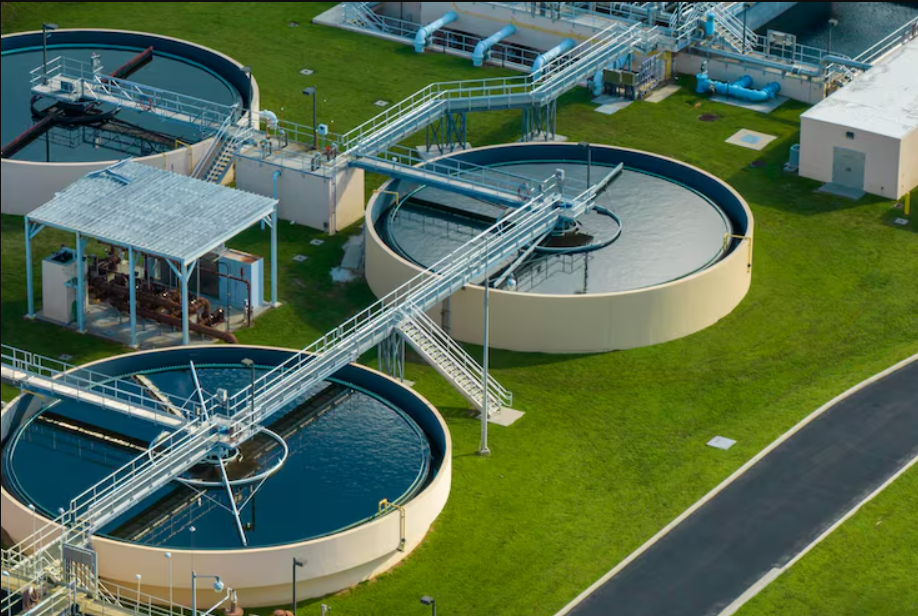
In modern wastewater treatment systems, maintaining proper oxygen levels is essential for effective biological processing. This is where Wastewater Treatment Blowers play a crucial role. At TMVT Industries, we design and manufacture high-performance blowers that ensure consistent aeration, improved efficiency, and long-term operational reliability. Air blowers for wastewater treatment are used to supply oxygen in aeration tanks, supporting biological processes that break down organic waste. These blowers ensure efficient oxygen transfer, reduce energy consumption, and improve overall treatment performance in STP and ETP systems.

Our advanced blower systems are engineered to meet the growing demands of municipal and industrial wastewater treatment plants, delivering optimal airflow with energy-efficient performance.


What are Wastewater Treatment Blowers?

In Wastewater Treatment, blowers are mechanical devices used to supply air or oxygen into water during the treatment process. These blowers are primarily used in aeration tanks, where oxygen is required to support the growth of aerobic microorganisms. These microorganisms break down organic matter, helping purify wastewater effectively.

Without proper aeration, the biological treatment process becomes inefficient, leading to poor water quality and increased environmental risks. That’s why selecting the right blower system is critical for any treatment plant.

Get Best Air Blower for Your STP – Contact TMVT

Importance of Blowers in Wastewater Treatment

Aeration is one of the most energy-intensive processes in wastewater treatment, often accounting for up to 60–70% of total plant energy consumption. High-quality Wastewater Treatment Blowers help optimize this process by delivering the required airflow efficiently.

wastewater treatment


Key Roles of Blowers:

  • Supplying oxygen for biological treatment
  • Maintaining proper mixing in aeration tanks
  • Preventing sludge settling
  • Enhancing microbial activity
  • Improving overall treatment efficiency

TMVT blowers are designed to provide stable and continuous airflow, ensuring smooth plant operation and consistent treatment results.

Which Blower is Best for Wastewater Treatment?

Plant Type                         Recommended Blower

Small STP/ETP                    Twin Lobe Roots Blower

Medium Plant                      Tri Lobe Roots Blower

Large Industrial Plant         Turbo / Centrifugal Blower

Energy Saving Upgrade      Turbo or Screw Blower


Types of Wastewater Treatment Blowers Offered by TMVT

At TMVT Industries, we offer a range of blower technologies to suit different treatment requirements:

  1. Twin Lobe Roots Blowers

The twin lobe roots blowers are the most commonly used blowers in wastewater treatment plants. They deliver a constant volume of air and are ideal for low to medium pressure applications.

Features:

Robust design

Easy maintenance

Consistent airflow

Suitable for continuous duty

  1. Three Lobe Roots Blowers

3 lobe roots blowers is a advanced version of twin lobe blowers, these provide smoother airflow with reduced noise and vibration.

Advantages:

Higher efficiency

Lower pulsation

Quiet operation

Longer service life

  1. Turbo Blowers (High-Speed)

Turbo blowers are ideal for large-scale treatment plants requiring high efficiency and energy savings.

Benefits:

Energy savings up to 30–40%

Oil-free air delivery

Advanced control systems

Compact and modern design

Key Features of TMVT Wastewater Treatment Blowers

TMVT Industries focuses on delivering reliable and high-performance solutions. Our Wastewater Treatment Blowers come with:

  • High efficiency and low power consumption
  • Continuous duty operation capability
  • Low noise and vibration levels
  • Heavy-duty construction for durability
  • Precision-engineered components
  • Materials available is Cast Iron & SS304/316
  • Easy installation and maintenance
  • Custom-built solutions for specific applications

Each blower is tested for performance and reliability before delivery, ensuring consistent output in real-world conditions.

Applications of Wastewater Treatment Blowers

TMVT blowers are widely used across multiple industries and treatment systems, including:

  • Sewage Treatment Plants (STP)
  • Effluent Treatment Plants (ETP)
  • Municipal wastewater facilities
  • Chemical and pharmaceutical industries
  • Textile and dyeing units
  • Food and beverage processing plants
  • Pulp and paper industries

These blowers are essential for any system where aeration and oxygen supply are critical for treatment efficiency.


How TMVT Blowers Improve Plant Performance

Choosing the right Wastewater Treatment Blowers can significantly impact operational efficiency and cost savings.

Improved Oxygen Transfer Efficiency

Our blowers deliver consistent airflow, ensuring optimal oxygen transfer for biological processes.

Energy Savings

With advanced engineering, TMVT blowers minimize energy consumption, reducing overall operating costs.

Reduced Maintenance

Durable construction and precision design result in fewer breakdowns and lower maintenance requirements.

Reliable Operation

Even in harsh industrial environments, TMVT blowers provide stable and uninterrupted performance.


Why Choose TMVT Industries?

TMVT Industries is a trusted name in the field of industrial blowers and wastewater treatment solutions. Our commitment to quality, innovation, and customer satisfaction sets us apart.

What Makes TMVT Different:

  • 30+Years of industry experience
  • Advanced manufacturing capabilities
  • Custom-engineered solutions
  • Competitive pricing
  • Strong after-sales support
  • PAN India service network

We don’t just supply equipment—we provide complete solutions tailored to your plant requirements.


“After Sales Support”

Maintenance Tips for Wastewater Treatment Blowers

To ensure long-term performance, proper maintenance is essential:

  • Regular lubrication of moving parts
  • Periodic inspection of filters and belts
  • Monitoring vibration and noise levels
  • Timely replacement of worn components
  • Ensuring proper alignment and installation

TMVT also offers maintenance support and spare parts to keep your system running efficiently.


Future of Wastewater Treatment Blowers

With increasing environmental regulations and the need for sustainable solutions, the demand for efficient Wastewater Treatment Blowers is growing rapidly. Innovations such as smart monitoring, automation, and energy-efficient turbo blowers are shaping the future of the industry.

TMVT Industries continues to invest in advanced technologies to provide next-generation solutions that meet evolving industrial needs.

Get the Best Wastewater Treatment Blowers for Your Plant

If you are looking to improve your wastewater treatment efficiency and reduce operational costs, TMVT Industries has the right solution for you.

Our expert team will help you choose the most suitable blower system based on your application, capacity, and budget.

Request Quote for Wastewater Blowers


Contact TMVT Industries today

Upgrade your aeration system with high-performance Wastewater Treatment Blowers designed for efficiency, reliability, and long-term value.

About TMVT Industries

TMVT Industries is one of India’s top and leading manufacturers of high-performance industrial blowers, Pneumatic conveying systems. We specialize in Twin & Tri Lobed Roots Blowers, Airfoil Bearing Turbo blowers, Magnetic Bearing Turbo blowers, Geared Turbo blowers, Screw Blowers, Liquid Ring Vacuum Pump, Mechanical Vacuum Boosters, High Vacuum Systems. TMVT provides customized solutions designed for high efficiency, low noise, and long service life. With a strong focus on innovation, quality and after sales service. TMVT Industries delivers reliable, energy-efficient solutions for industries like Wastewater treatment, Cement, Power, Steel, Sugar and Chemicals.
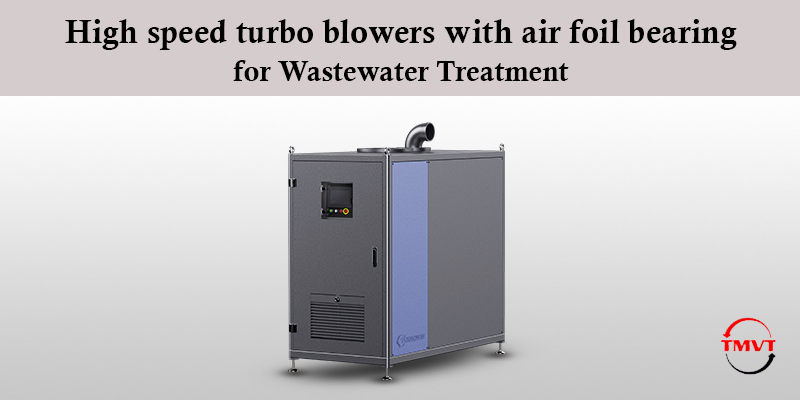
High-speed-turbo-blowers-with-air-foil-bearing-for-Wastewater-Treatment.jpg

April 17, 20260

Wastewater treatment is a crucial aspect of every social setup. However, it is a complex and extensive ecosystem comprising various technologies. One of them is high-speed bearings. These offer numerous advantages, contributing to the system’s reliability, efficiency, and operational endurance of its key components.

TMVT, one of the leading manufacturers of airfoil bearing turbo blowers, highlights some common ones in this post.

About High-Speed Bearing Technologies for Wastewater Treatment

These refer to advanced bearing systems that support rotating machinery operating at high speeds and under the usually demanding circumstances of wastewater treatment facilities. These bearings help ensure efficiency and reliability and contribute to the lifespan of equipment like blowers, centrifuges, blowers, and mixers.

Their applications include the following.

  • Centrifugal Pumps: To help manage fluid flow for aeration, chemical dosing, and managing the sludge
  • Centrifuges: To separate solids from liquids during sludge dewatering or thickening
  • Blowers and Compressors: To provide aeration in biological treatment
  • Mixers and Agitators: For uniform mixing of treatment chemicals and enabling biological reactions

Let’s now look at the advantages of using high-speed bearing technologies for wastewater treatment applications.

Advantages of High-Speed Bearing Technologies for Wastewater Treatment

Here’s why high-speed bearing technologies prove beneficial for wastewater treatment applications.

  • Enhanced Energy Efficiency

Energy losses have always been one of the most significant concerns in rotating equipment.

Here, high-speed bearings prove helpful. These bearings help curb friction, reducing energy losses in rotating equipment like blowers, aerators, and pumps.

It helps reduce energy consumption and operating costs, which are crucial in energy-intensive wastewater treatment processes.

  • Increased Longevity

High-speed bearings in airfoil blowers, particularly those manufactured by reputed companies like TMVT, have advanced materials and feature precision engineering.

These attributes enable them to endure harsh conditions like moisture, chemical exposure, and high loads, reducing wear and tear and extending equipment life.

Reduced wear and tear also helps control maintenance costs in the long run.

  • Higher Operational Speeds

High-speed bearings help accelerate the airflow blower’s operational speed without compromising performance or reliability.

It helps improve the overall throughput and the overall efficiency of processes like aeration, sludge dewatering, and water recirculation.

  • More Peaceful Operations

Bearings operating at high speed reduce vibration and noise levels in rotating equipment. It contributes to quieter working conditions, particularly in environments where you have residential or commercial zones nearby.

In addition, it lowers the wearing of the associated components, reducing the need for repair, replacement, and maintenance.

  • Improved Process Reliability

Air foil-bearing turbo blowers with reliable bearings ensure seamless and uninterrupted operations. This proves particularly beneficial for critical wastewater treatment processes like sedimentation, pumping, and aeration.

  • Reduced Maintenance Needs

We’ve already mentioned this earlier. However, it certainly needs a separate mention.

Bearings comprising advanced sealing technologies are more resistant to contaminants. Hence, they are less likely to fail during operations.

Furthermore, low maintenance helps reduce operational interruptions, lower downtime, and increase system uptime and availability.

  • Compact and Lightweight Designs

Contemporary high-speed bearings are designed to be compact and lightweight while maintaining high load capacities.

It helps facilitate the design of more compact and efficient equipment, ensuring optimal space use across wastewater treatment facilities.

  • Considerable Cost Savings

Using high-speed bearings in airfoil blowers can have a higher initial cost.

However, wastewater treatment operators must look at the larger picture, rather than temporary or one-time expenses.

In the long run, high-speed bearings help curtail energy consumption, increase system uptime, improve system efficiency, lower maintenance costs and result in fewer repair and replacement instances.

Together, all these factors contribute to appreciable cost savings in the long run!

Looking for Airfoil Bearings Turbo Blowers? Choose TMVT!

Yes! If you’ve been searching for an air foil-bearing turbo blower, TMVT proves the right choice. We are one of the leading manufacturers of turbine airfoil blowers that integrate premium high-speed bearings and various other components, including the latest energy-efficient permanent magnet synchronous motor.

Our turbo blowers serve wastewater treatment plants of varying volumes and requirements. They are designed to perform optimally, and equipped with parts that define their longevity. Write to us at tmvtmumbai@tmvt.com to learn more.


WhatsApp-Image-2026-04-11-at-13.40.13-1-1280x720.jpeg

April 15, 20260

INDUSTRY OVERVIEW

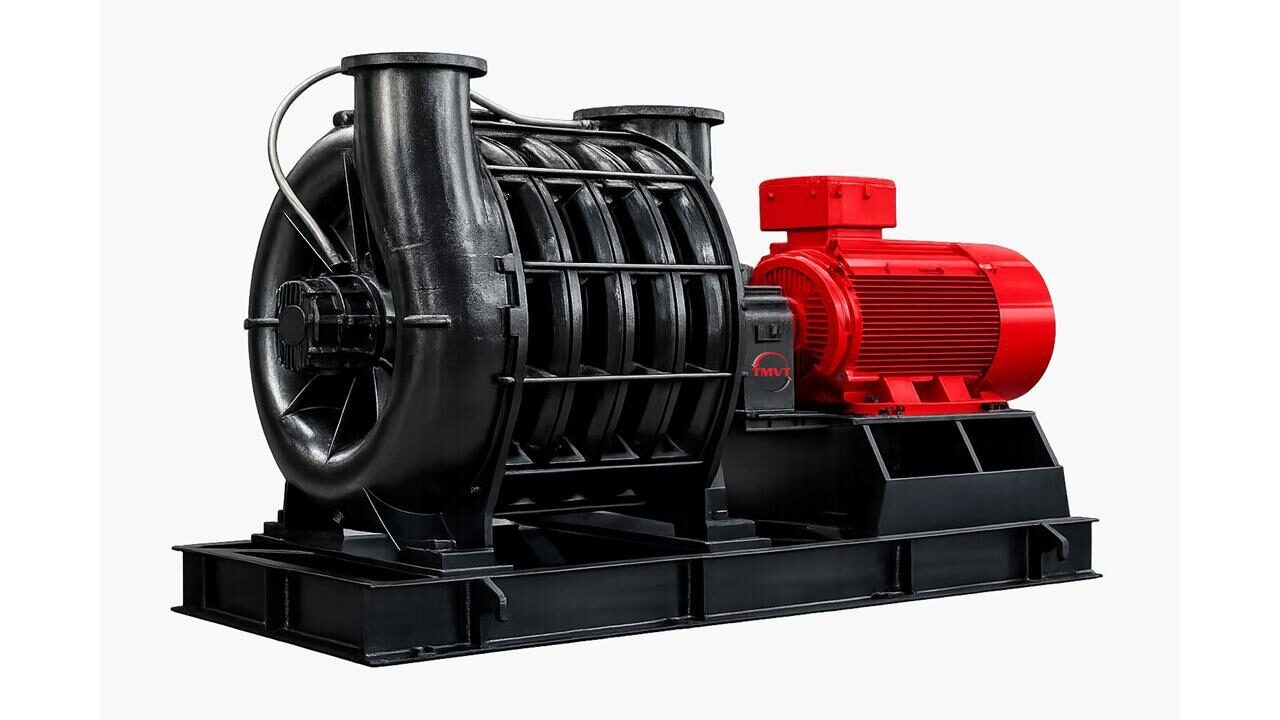
In today’s industrial world, having efficient systems for moving air and gases is important for making work faster, saving energy, and keeping operations running smoothly. One of the best options for moving air at high pressure is the multi-stage centrifugal blower. Whether you work in wastewater treatment, cement, chemical, or power industries, choosing the right blower can make a big difference in how well your system works and how much it costs to run.

This 2026 buying guide will help you learn everything starting from the basics to the technical details, so you can make a smart decision when buying.

Product Introduction

At TMVT Industries, we manufacture Multi-Stage Centrifugal Blowers that offer high efficiency, low maintenance, reduced noise levels, and vibration-free performance for industries like wastewater, cement, and power plants. Multi-Stage Centrifugal Blower Technology is extremely high efficiency with lower noise level & lower vibration.

A multi-stage centrifugal blower is a high-efficiency machine that moves air or gas at steady pressure through several stages.
Unlike single-stage blowers, it uses multiple impellers connected one after another to build up pressure gradually. These blowers are commonly used in industries where you need a steady flow of air, stable pressure, and good energy efficiency.

What is a Multi-Stage Centrifugal Blower?

A multi-stage centrifugal blower is a dynamic machine that converts rotational energy into air pressure using multiple impellers arranged in stages. Each stage compresses the air further, resulting in higher pressure output compared to single-stage units.

Air enters axially, passes through each impeller, and is discharged radially, increasing pressure step by step. This makes it ideal for applications requiring medium pressure with high flow rates.

Types of Multi-Stage Centrifugal Blowers

Understanding types is essential before buying:

1. Based on Blade Design

  • Backward Curved Blowers
    High efficiency, low noise, and widely used in industrial applications.
  • Radial Blade Blowers
    Suitable for handling dust, particles, and harsh environments.
  • Forward Curved Blowers
    Used in low-pressure, high-flow applications like HVAC systems.

Based on Pressure & Application

  • Low-Pressure Multi-Stage Blowers
    Used for aeration and ventilation.
  • High-Pressure Multi-Stage Blowers
    Used in pneumatic conveying and combustion systems.

Based on Configuration

  • Direct Drive Blowers
    More efficient and require less maintenance.
  • Belt Drive Blowers
    Flexible but slightly less efficient.

Applications of Multi-Stage Centrifugal Blowers

These blowers are used across multiple industries:

1. Wastewater Treatment

Used for aeration tanks to supply oxygen for biological processes. These systems often run continuously and consume a large portion of plant energy.

2. Pneumatic Conveying

Transporting materials like cement, grains, or chemicals using airflow.

3. Power Plants

Providing combustion air and flue gas handling.

4. Chemical & Process Industries

Handling gases like methane, biogas, and other industrial gases.

5. Mining & Metallurgy

Used in smelting, flotation, and dust extraction processes.

6. Central Vacuum Systems

Used in industrial cleaning and suction systems.

Benefits of Multi-Stage Centrifugal Blowers

1. High Efficiency

These multi-stage centrifugal blowers are designed to deliver maximum airflow with minimum energy consumption, making them cost-effective in the long run.

2. Oil-Free Operation

Most models provide 100% oil-free air, which is essential for sensitive industries like food and pharmaceuticals.

3. Stable Pressure Output

They maintain constant pressure even with variable airflow, which is critical for process stability.

4. Low Maintenance

Fewer moving parts and robust construction reduce downtime.

5. Quiet Operation

Designed for vibration-free and low-noise performance.

6. Wide Operating Range

Can operate efficiently even at 50% flow without surging, giving flexibility in operations.

Key Features to Look for in 2026

When buying a multi-stage centrifugal blower, consider these advanced features:

1. Energy Efficiency (Top Priority)

Look for models with:

  • High-efficiency impellers
  • Variable Frequency Drive (VFD) compatibility
  • Optimized airflow design

2. Build Quality

  • Cast iron or ductile iron construction
  • Corrosion-resistant materials
  • High-quality bearings

3. Smart Controls & Automation

Modern blowers come with:

  • PLC-based control panels
  • Remote monitoring
  • IoT integration

4. Noise Reduction Technology

Check for:

  • Acoustic enclosures
  • Mufflers and silencers

5. Compact Design

Space-saving designs are important for modern industrial setups.

6. Customization Options

Ensure the blower can be customized for:

  • Flow rate
  • Pressure requirements
  • Gas type

Technical Specifications (Typical Range)

Here are the standard specs you should evaluate:

Parameter Typical Range
Flow Rate 1,200 to 34,000 CFM
Pressure Up to 15 psi
Power 30 kW to 315 kW
Speed Up to 3550 RPM
Capacity 30–300 m³/min
Temperature Depends on application

Buying Guide: What to Look for in 2025

Here are the most important decision factors:

1. Application Requirement

Identify:

  • Airflow (CFM)
  • Pressure needed
  • Type of gas handled

2. Energy Consumption

Since blowers can account for 40–70% of energy use in some industries, always choose energy-efficient models.

3. Reliability & Durability

Look for:

  • Proven brand
  • Long service life
  • Warranty support

4. Maintenance & Service Support

Choose suppliers who provide:

  • Easy spare parts availability
  • After-sales service
  • AMC support

5. Compliance & Standards

Ensure the blower meets:

  • ISO standards
  • Environmental norms

6. Cost vs ROI

Don’t just focus on price—consider:

  • Energy savings
  • Maintenance cost
  • Lifecycle value

Future Trends in 2026

The blower industry is evolving rapidly. Key trends include:

  • Smart blowers with IoT monitoring
  • Energy-efficient turbo blowers replacing older systems
  • Noise reduction innovations
  • Eco-friendly and oil-free designs
Conclusion

Choosing the right multi-stage centrifugal blower in 2025 requires a clear understanding of your industrial needs, technical specifications, and long-term operational costs. These blowers are a reliable solution for applications requiring consistent pressure, high efficiency, and durability.

By focusing on energy efficiency, advanced features, and proper sizing, you can ensure better performance, lower costs, and higher productivity.

Looking for high-performance industrial blowers? Contact TMVT Industries today to get expert guidance and the perfect solution for your application.

Get a Quote

About TMVT Industries

TMVT Industries is one of India’s top and leading manufacturers of high-performance industrial blowers and air handling systems. We specialize in Multi-Stage Centrifugal Blowers, Roots Blowers, and customized solutions designed for high efficiency, low noise, and long service life. With a strong focus on innovation and quality, TMVT Industries delivers reliable, energy-efficient solutions for industries like wastewater treatment, cement, power, and chemicals.

Contact TMVT Industries

Visit our website: https://tmvt.com/

Head Office in Mumbai, India | +91 (0) 22-22830060/68

Manufacturing Plant in Ahmedabad, India | +91 (0) 79-40084283


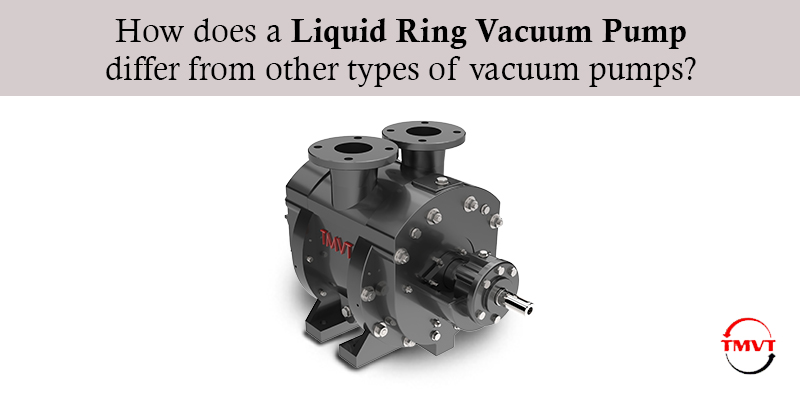
How-does-a-Liquid-Ring-Vacuum-Pump-differ-from-other-types-of-vacuum-pumps.jpg.jpeg

February 26, 20260

Industrial vacuum selection is a strategic choice that dictates the reliability of your entire manufacturing line. For process engineers and facility owners, the liquid ring vacuum pump stands as a uniquely robust solution compared to rotary vane or dry screw alternatives. TMVT is a premier manufacturer from India with decades of experience and specialize in high-performance liquid ring systems designed for the rigors of global industrial applications.

While many technologies rely on high-precision metal contact or complex oil lubrication, the TMVT liquid ring pump uses a rotating ring of service liquid to perform compression. This fundamental difference in the sealing medium provides the operational advantages that distinguish our technology from other industrial counterparts.

Mechanical Distinction – Simplicity and Internal Clearance

The most prominent difference between a liquid ring vacuum pump and a dry screw or rotary vane system is the number of moving parts. A dry screw pump requires two interlocking rotors spinning at high speeds with tight clearances. Rotary vane pumps rely on sliding vanes that rub against the internal housing and require constant oil lubrication.

TMVT design is defined by elegant simplicity. The only moving part is a multi-bladed impeller mounted on a shaft. This impeller is positioned eccentrically within a cylindrical casing. Because the impeller never touches the casing or other stationary parts, mechanical wear is negligible. This non-contact design significantly extends the operational lifespan and reduces the frequency of major overhauls.

Table 1 – Mechanical Architecture Comparison

Liquid Handling and Moisture Tolerance

A defining differentiator of liquid ring technology is its resilience in wet process conditions prevalent in chemical and pharmaceutical sectors. While moisture causes oil emulsification and mechanical seizure in rotary vane pumps or rotor corrosion in dry screw systems, liquid ring vacuum pumps flourish. Because they utilize service liquid for sealing, incoming moisture is simply incorporated into the ring and discharged. This robust design manages large vapor loads and liquid slugs without internal damage, eliminating the need for the complex inlet filtration mandatory for sensitive dry or oil-sealed technologies.

Condensing Effect – A Thermodynamic Advantage

Liquid ring systems offer an internal condensing effect that other vacuum technologies lack. When saturated gas enters the pump, it meets the cool service liquid. This liquid acts as a direct-contact condenser and causes much of the incoming vapor to transition into the liquid phase.

This phase change reduces the gas volume that the impeller must mechanically compress. As gas volume decreases, the effective pumping speed of the unit increases beyond its dry-air rating. This allows liquid ring pump to handle high vapor loads more efficiently than dry screw or rotary vane pumps, which must mechanically compress the entire vapor volume.

Isothermal Operation – Thermal Management and Safety

Heat dissipation during compression is where liquid ring pumps diverge most from other technologies. Dry screw pumps and reciprocating compressors operate on adiabatic principles where gas temperature rises dramatically. Discharge temperatures in dry screw pumps can reach 450⁰F (232⁰C), which can trigger chemical polymerization or ignite explosive gas mixtures.

Liquid ring vacuum pump operates almost isothermally. The service liquid acts as a thermal buffer and absorbs the heat generated during compression. This heat is carried away by the discharged liquid, which can be cooled and recirculated. This keeps gas discharge temperatures low, typically within 10⁰F to 20⁰F of the service liquid.

Table 2: Thermal and Safety Profile Comparison

Minimal Maintenance and Mechanical Reliability

The Total Cost of Ownership is a critical metric for plant owners. Liquid ring pumps provide a clear advantage in simplicity and reliability. Liquid ring pumps feature no timing gears to synchronize and no multiple rotors to align. While reciprocating piston pumps require regular replacement of rings and valves, the liquid ring design is inherently low-friction.

Because the impeller does not touch the casing, internal components do not experience the wear found in sliding or interlocking parts. Liquid ring pump can often operate for several years without internal part replacements. Additionally, there is no internal lubrication in the pumping chamber. This provides an oil-free vacuum and ensures your process gas remains uncontaminated.

Internal Lubrication and Contamination

A major maintenance hurdle for oil-sealed pumps (like rotary vane or piston pumps) is the management of the lubricating oil. The oil must be periodically filtered and changed to remove contaminants absorbed from the process gas. If the process gas is corrosive or reactive, it can degrade the oil rapidly, leading to frequent maintenance and the cost of disposing of contaminated lubricants.

Liquid ring pump requires absolutely no internal lubrication in the pumping chamber. The service liquid whether it is water, oil, or a process-compatible fluid serves the dual purpose of sealing and cooling but does not act as a traditional lubricant that can be degraded by mechanical friction. This leads to an oil-free vacuum, ensuring that the process gas remains uncontaminated and the environmental impact of used oil disposal is virtually eliminated.

Contaminant Tolerance and Robustness

Industrial processes are rarely clean. Vacuum pumps are often exposed to dust, particulates, or fibrous materials. In scroll or screw pumps, even small debris can score rotors or cause seizure due to tight clearances.

Liquid ring pumps are engineered for dirty applications. The continuous flushing action of the service liquid acts as a self-cleaning mechanism. As the ring rotates, it captures particulates and flushes them out the discharge port. This makes the pump tolerant of harsh environments in mining or paper industries.

Table 3 – Operational Performance Benchmarks

Core Technical Differentiators

The technical differences between liquid ring vacuum pumps and other leading technologies rest on four pillars.

  1. Sealing Medium and Contamination Control

The liquid ring itself provides the seal. In most systems, this is water, which is inexpensive, non-toxic, and acts as a cleaning agent. In contrast, rotary vane pumps use oil, which carries the risk of back streaming, where oil molecules migrate back into the vacuum chamber and contaminate the process. For cleanroom, pharmaceutical, or food applications, the water-sealed or oil-free nature of the TMVT pump is a decisive advantage.

  1. Moisture and Liquid Tolerance

This is perhaps the most significant functional difference. Liquid ring pumps handle moisture as part of their design. Other pumps, such as dry scroll or standard rotary vane types, are highly sensitive to moisture; even high humidity can lead to internal corrosion or seal failure.

  1. Moving Parts and Maintenance Complexity

The simplicity of the design centred on a single rotating impeller, contrasts with the multi-component, high-precision assemblies found in screw, claw, and piston pumps. Fewer moving parts mean fewer failure points, simpler spare parts inventory, and a much lower requirement for specialized technical labour during routine servicing.

  1. Typical Use and Operational Environment

Liquid ring pumps are the heavy-duty workhorses of the vacuum world. They are ideally suited for rugged industrial environments where the process is dirty, hot, or wet. Other pumps like rotary vane or dry scroll systems are more suited for clean, dry laboratory environments or high-tech manufacturing where vacuum levels are deep and the gas stream is highly controlled.

Common Applications Across Global Industries

The technical differences described above have led to the adoption of TMVT liquid ring vacuum pumps across a wide spectrum of industrial sectors. TMVT supplies these machines globally, serving both public sector giants and private sector innovators.

  • Chemical and Pharmaceutical Industry: TMVT pumps are indispensable for distillation, crystallization, drying, and solvent recovery. Their ability to handle corrosive gases and provide oil-free vacuum is critical for maintaining product purity.
  • Power Generation: In power plants, these pumps are used for condenser evacuation, fly ash conveying, and pump priming. They help maintain the vacuum necessary for steam turbines to operate at peak efficiency.
  • Food and Beverage Industry: Used extensively for deaeration of mineral water, vacuum packaging, bottling, and the deodorization of edible oils. The lack of oil contamination ensures compliance with food safety regulations.
  • Mining and Minerals: TMVT pumps drive the vacuum filtration systems used to dewater mineral concentrates. Their robustness against abrasive particles and liquid carryover makes them the preferred choice for this rugged industry.
  • Pulp and Paper Industry: Crucial for the dehydration of paper webs and paper coating processes. The pumps handle the high moisture and fibre content of the process gas with ease.
  • Refineries and Petrochemicals: Employed for flare gas recovery and vacuum distillation of crude oil. The isothermal compression provides an extra layer of safety when handling hydrocarbon vapours.

Why TMVT – The Choice for Global Engineering

TMVT Industries Pvt. Ltd. is a leading manufacturer from India with a global supply chain. We are founded on engineering precision and customer service.

A Legacy of Excellence

TMVT is part of the T. Maneklal group, which has been an industrial leader since 1948. This history gives us a deep understanding of pump dynamics. Under the guidance of our management, we invest in technically oriented facilities in Ahmedabad to meet global benchmarks.

Unwavering Quality

our commitment to quality is reflected in international certifications. We are an ISO 9001.2015, ISO 14001.2015, and ISO 45001.2018 certified company. Our products carry CE and ATEX certifications for safety in international markets.

Tailor-Made Solutions

We provide customized engineering solutions. We work with engineers to select the appropriate material of construction, circulation system, and pump series to match your specific process requirements.

Conclusion

The differences between a liquid ring vacuum pump and other types are rooted in mechanical and thermodynamic principles. While other technologies struggle with moisture and maintenance, the TMVT liquid ring vacuum pump excels by embracing wet processes and maintaining cool isothermal compression.

If your process demands high reliability in harsh or hazardous conditions, the liquid ring vacuum pump is the superior solution. TMVT provides high-performance systems that drive productivity in the modern industrial era.

Optimize Your Process with TMVT

Upgrade to a vacuum system engineered for the toughest industrial duties. Contact our global engineering support team today for a technical consultation or a quote.

  • Visit our website – https://tmvt.com/
  • Head Office in Mumbai, India | +91 (0) 22- 22830060 / 68
  • Manufacturing Plant in Ahmedabad, India | +91 (0) 79-40084283

TMVT Industries Pvt. Ltd. – Your Partner in Global Industrial Vacuum Excellence.


How-Liquid-Ring-Vacuum-Pumps-Are-Used-in-the-Mining-Industry.jpg.jpeg

February 14, 20260

The global mining industry operates at the intersection of extreme mechanical stress and the critical necessity for operational safety. As mining depths increase and the complexity of mineral extraction grows, the reliance on high-performance vacuum technology has become a cornerstone of modern mineral processing and underground safety management. TMVT Industries, a premier manufacturer from India with an extensive global supply chain, has emerged as a leader in providing robust Liquid Ring Vacuum Pumps specifically engineered for these harsh environments. By utilizing the unique properties of the liquid ring principle, specifically its ability to handle wet, dirty, and potentially explosive gas streams, TMVT systems offer a level of reliability that dry vacuum technologies cannot match in the field.

The Engineering Architecture of TMVT Liquid Ring Systems

The fundamental advantage of TMVT liquid ring vacuum pumps lies in their positive displacement architecture, which incorporates a rotating ring of sealant liquid, typically water to perform the work of compression. This design is particularly advantageous in mining because it utilizes only impeller as a moving part. In an environment where abrasive dust and corrosive moisture are omnipresent, the absence of sliding vanes, valves, or metal-to-metal contact within the compression chamber significantly reduces the risk of mechanical failure.

Fluid Dynamics and Centrifugal Sealant Rings

The operational cycle of a TMVT pump begins when the impeller is rotated within the casing, which is partially filled with a service liquid. Centrifugal force throws the liquid outward, forming a solid ring against the inner periphery of the casing. Because the impeller is mounted eccentrically, the spaces between the vanes change in volume as the rotor spins. As these volumes expand, they create a vacuum that draws in gas; as they contract, the gas is compressed and expelled.

For mining engineers, the primary benefit of this mechanism is its inherent ability to act as a heat sink. The sealant liquid absorbs the heat of compression, allowing the pump to operate nearly isothermally. This is a critical safety feature when handling combustible gases like methane in underground coal mines, where traditional compression could lead to dangerous temperature spikes.

Comparative Analysis of TMVT Pump Configurations

TMVT offers specialized configurations to meet the varying pressure and material handling requirements of different mining sectors. The selection between a single-stage (LRV/LRK) or a two-stage (LRVD) pump depends largely on the depth of vacuum required and the specific characteristics of the process gas.

Feature TMVT Single Stage (LRV/LRK) TMVT Two Stage (LRVD)
Maximum Vacuum Level Up to 50 mm Hg Absolute Up to 40 mm Hg Absolute
Primary Application General dewatering, vacuum filtration High-altitude mining, deep methane extraction
Efficiency Focus High volumetric flow at moderate vacuum Sustained performance at high vacuum levels
Maintenance Profile Exceptionally low due to simplicity Robust performance for specialized applications

Technical Deep Dive: Key Applications in the Mining Lifecycle

The integration of TMVT vacuum technology spans the entire mining lifecycle, from initial excavation and safety management to mineral processing and waste treatment.

Vacuum Filtration and Mineral Dewatering

In mineral processing, dewatering is the critical stage of separating valuable mineral concentrates from the water used during the grinding and flotation processes. TMVT liquid ring vacuum pumps are the primary drivers for industrial filtration systems, including disc, drum, and belt filters.

The technical process involves creating a high-pressure differential across a filter medium. As the filter moves through the mineral slurry, the TMVT pump provides the suction necessary to draw liquid through the cloth, leaving behind a solid filter cake. This cake typically reaches a moisture level of 10% to 15%, which is essential for reducing transportation costs and ensuring the material is suitable for smelting.

The resilience of TMVT pumps in this application is unmatched because they can handle liquid carryover instances where some of the filtrate or slurry is accidentally drawn into the vacuum line. While a dry pump or a piston pump would suffer catastrophic failure or water hammering in such a scenario, the TMVT liquid ring pump simply incorporates the excess liquid into the sealant ring and discharges it without damage to internal components.

Coal Mine Methane and Pit Gas Extraction

Underground coal mining presents the unique challenge of managing pit gas or coalbed methane, which is both a hazardous explosive and a valuable energy resource if captured correctly. TMVT pumps are utilized in degasification systems to draw methane from the coal seams through pre-drilled boreholes.

The safety advantages of TMVT LRVPs in this sector are twofold:

  1. Isothermal Compression: By maintaining a low operating temperature, the pump eliminates the risk of reaching the auto-ignition point of the methane-air mixture.
  2. Explosion-Proof Characteristics: The liquid ring provides a natural barrier between the rotating components and the potentially explosive gas stream.

Furthermore, TMVT units often serve as gas boosters, increasing the pressure of the extracted methane so that it can be transported to the surface for use in gas engines or flared to reduce its greenhouse gas impact. The oil-free nature of the compression ensures that the delivered gas is clean and does not foul downstream power generation equipment.

Vapour Management (Vamping) and High-Grade Fine Recovery

A significant portion of a mine’s profit can be lost in the fines, the smallest but most valuable particles of gold, platinum, or copper that settle in the cracks of the mine floor or spill from conveyor systems. Vamping is the industrial process of using high-powered vacuum suction to recover these materials.

TMVT pumps are ideally suited for vamping units because they can handle a mixture of air, water, and abrasive solids. In a typical vamping operation, a TMVT-powered unit is deployed to vacuum stopes, haulages, and conveyor galleries. The high suction capability allows for the extraction of heavy mineral dust even from deep crevices, significantly increasing the mine call factor and overall recovery rates.

Waste Gas Recovery and Smelting Integration

In the refining stages of mining, smelting operations produce significant volumes of waste gases, including carbon monoxide and other volatile compounds. TMVT liquid ring pumps are used to recover these gases for treatment or energy reuse. The cooling effect provided by the sealant ring is particularly beneficial here, as it can help condense vapours within the gas stream, effectively acting as a secondary condenser and increasing the overall efficiency of the recovery system.

Advantages of TMVT Technology in the Mining Environment

The operational realities of mining remote locations, abrasive dust, and 24/7 production cycles demand a specific set of technical characteristics that TMVT has refined over three decades of manufacturing.

Superior Durability and Material Construction

TMVT offers a range of Material of Construction options to ensure that the pump is compatible with the specific chemical and physical stressors of a given mine.

Material Option Technical Benefit in Mining
Complete Cast Iron Standard durability for coal and non-corrosive mineral extraction.
Complete Stainless Steel (S.S.) High resistance to acidic mine water and chemical leaching agents.
Partial S.S. (Impeller/Shaft) Protection of the most critical moving parts against erosion and corrosion.
Partial Bronze Optimized for high-salinity environments or marine mining operations.

This metallurgical versatility ensures that TMVT pumps can withstand the aggressive environments of copper mines (high acidity) and coal mines (high abrasion) with equal efficacy. Additionally, the use of stress-relieved castings in the manufacturing process ensures dimensional stability, preventing internal clearances from shifting even during the thermal fluctuations common in deep-mine operations.

Mechanical Simplicity and Maintenance Profiles

In remote mining hubs, whether in the Australian outback, the mountains of South America, or the coal fields of India, the ease of maintenance is a primary driver of Total Cost of Ownership. TMVT pumps are designed with a single rotating assembly. There is no contact between the impeller and the casing, which means that wear is negligible.

Maintenance tasks are straightforward:

  • Gland Packing/Sealing: TMVT uses water-lubricated asbestos rope or high-quality mechanical seals for specialized applications.
  • Bearing Protection: Standard external bearings are housed in heavy-duty caps to protect them from ambient mine-dust.
  • Scale Management: The use of closed-loop sealant systems allows mines to use treated water for the liquid ring, preventing the limescale buildup that can plague pumps in areas with hard ground-water.

Operational Efficiency: The Condensing Effect

When handling gases saturated with moisture, a frequent condition in mine dewatering and filtration, TMVT pumps provide a capacity bonus. As the humid gas enters the pump, the cool sealant ring causes some of the water vapor to condense. This reduces the volume of the gas that must be mechanically compressed, effectively increasing the pump’s volumetric efficiency beyond its nominal dry-air rating. This effect is particularly valuable in high-tonnage filtration operations where every percentage point of efficiency translates to significant energy savings.

Strategic Selection: Technical Performance Data of TMVT Series

Choosing the right pump requires an analysis of flow rates and power consumption relative to the vacuum levels required by the process. TMVT provides a comprehensive range of models to suit everything from small-scale sampling to massive tailing dewatering projects.

TMVT Single Stage LRV Series Performance Metrics:

Environmental Protection and Compliance

The mining industry is under increasing pressure to improve its environmental profile. TMVT’s vacuum technology contributes to these goals through dust suppression and water recovery systems.

Dust Suppression and Air Quality

Large-scale TMVT units serve as the central suction source for dust collection systems in ore-handling facilities. By capturing airborne particulates, these systems protect miners from respiratory illnesses and prevent the accumulation of combustible dust in tunnel galleries. The ability of the liquid ring pump to handle these particles without clogging makes it the preferred choice over fabric filters or dry vacuum units in high-humidity underground environments.

Water Recovery and Recycling

In arid mining regions, water is often the most expensive utility. TMVT’s filtration systems allow mines to recover up to 90% of the water used in mineral processing, which can then be treated and recycled back into the plant. By using a completely closed-loop seal water system for the vacuum pumps themselves, TMVT further reduces the fresh water footprint of the entire operation.

Why TMVT is the Trusted Global Partner for Mining Engineers

With roots dating back to 1991, TMVT Industries Private Limited has built a legacy of precision engineering and global reliability. As an ISO 9001:2015, ISO 14001:2015, and ISO 45001:2018 certified manufacturer, TMVT ensures that every machine meets the highest international standards for quality, environmental management, and occupational safety.

Manufacturing Excellence and Quality Control

TMVT components are manufactured using high-precision CNC machines and are subject to rigorous testing, including dynamic balancing of rotor assemblies to ISO standards. This precision is critical for mining pumps, which must maintain tight internal clearances to ensure volumetric efficiency while operating in environments that undergo significant thermal and mechanical stress.

Customized Solutions for Complex Projects

Every mining project has unique requirements based on altitude, gas composition, and mineral type. TMVT’s engineering team provides customized configurations, including:

  • Cone Type LRV Series: Optimized for high liquid carryover and compact installations.
  • High-Vacuum Systems: Utilizing mechanical boosters in series with LRVPs to reach extremely deep vacuum levels for specialized smelting or laboratory research.
  • Variable Speed Integration: Using VFD technology to match pump performance with the fluctuating demands of mine filtration cycles, leading to energy savings of up to 30%.

Conclusion: Driving Mining Success with TMVT Innovation

The technical demands of the mining industry require more than just a vacuum pump; they require a system that is resilient to abrasion, safe in explosive atmospheres, and efficient enough to minimize operational costs. TMVT Industries has successfully engineered its Liquid Ring Vacuum Pump series to meet these challenges head-on. From the dewatering of iron ore to the capture of dangerous coalbed methane, TMVT technology provides the reliability that industry leaders depend on.

By combining Indian manufacturing agility with a global standard of excellence, TMVT continues to support the mining sector’s transition toward safer, more efficient, and more sustainable production. For mining owners and engineers, a TMVT vacuum system is not just a purchase; it is an investment in long-term operational continuity.

Contact TMVT Industries for Your Mining Vacuum Needs

Are you ready to enhance your mine’s filtration efficiency or safety protocols with world-class vacuum technology? TMVT Industries provides customized engineering support and global supply for all mining applications.


Why-Class-zero-Oil-Free-Air-is-Non-Negotiable-in-Food-Pharma-Manufacturing.jpg.jpeg

January 30, 20260

In the high-stakes world of food and pharmaceutical manufacturing, compressed air is often called the “fourth utility.” However, unlike electricity or water, this utility often comes into direct contact with the product, making its purity a critical factor in consumer safety and brand integrity. As an ISO 9001:2015 certified global leader, TMVT Industries Pvt. Ltd. has pioneered the transition toward absolute purity standards, providing innovative gearless turbo technology that ensures 100% oil-free environments. The adoption of Class 0 air represents the ultimate benchmark in this pursuit, eliminating the risks inherent in traditional lubricated or technically oil-free systems.

The Purity Benchmark: Understanding Class Zero in Modern Production

While various air quality tiers exist, class zero stands alone as the highest performance category for manufacturers who cannot afford even a trace of oil contamination. In the context of TMVT’s engineering, Class Zero is not achieved through reactive filtration, but through a fundamental mechanical design that eliminates lubricants from the air stream entirely.

Under our ISO 9001:2015 quality management system, every TMVT Turbo Blower is built to ensure that the discharged air is 100% free of oil aerosols, liquids, and vapours. This zero-oil status is a non-negotiable requirement for sensitive industries because it removes the uncertainty of filter efficiency and the risk of mechanical carryover. By choosing a Class Zero certified solution, engineers and owners create a process-critical control point that guarantees absolute compliance with global safety expectations.

The Myth of “Technically Oil-Free” Air

Many manufacturers still rely on technically oil-free air, which is produced by oil-lubricated compressors fitted with high-efficiency filters. However, this approach carries significant risks. Filtration efficiency is highly sensitive to temperature; as ambient temperatures rise, oil vapor can bypass filters more easily. Furthermore, a single mechanical failure in an oil-lubricated system such as a ruptured separator can result in a blow-out of bulk oil into the production line, leading to immediate batch contamination and costly recalls.

TMVT’s Air Bearing Turbo Blowers eliminate this risk at the source. By removing oil from the compression chamber entirely, there is zero risk of lubricant carryover, ensuring a stable, non-negotiable Class 0 environment regardless of external temperature or filter condition.

The Impact of Oil Contamination in Food Production

In the food and beverage industry, compressed air is utilized for applications ranging from bottle blowing and product handling to nitrogen generation and vacuum sealing. The presence of oil in these processes presents multiple hazards.

Chemical and Sensory Alteration

Even trace amounts of mineral oil or non-food-grade lubricants can significantly alter the organoleptic properties of a product. Oil aerosols can impart off-flavours or unpleasant odours to sensitive beverages like beer or mineral water and can affect the clarity and appearance of oils, spirits, and clear liquids. In dairy processing, oil contamination can interfere with the agitation and mixing process, potentially leading to chemical instability in finished products like milk or yogurt.

Microbiological Hazards

Oil contamination serves as a potent growth medium for microorganisms. When oil combines with the moisture naturally found in compressed air systems, it creates a nutrient-rich sludge that fosters the growth of bacteria, molds, and fungi. In applications like bread fermentation or wort aeration in breweries, the introduction of these contaminants can ruin entire production runs or lead to the proliferation of pathogens that threaten consumer health.

Packaging and Integrity Risks

Compressed air is vital for forming, filling, and sealing food cartons and PET bottles. If the air used for blowing PET bottles contains oil, the oil can coat the interior of the plastic, prevent effective sterilization and potentially lead to chemical leaching into the product. In vacuum packaging systems, where TMVT’s liquid ring vacuum pumps and vacuum boosters are often employed, the removal of air must be handled with care to ensure that no back streaming of lubricants occurs, which would compromise the anaerobic environment required for food preservation.

The Critical Role of Class 0 Air in Pharmaceutical Manufacturing

The pharmaceutical sector is perhaps the most stringently regulated industry concerning air purity, as the safety and efficacy of medicinal products are directly tied to the environment in which they are produced.

Direct Contact Applications

During the manufacturing of solid dosage forms, such as tablets and capsules, compressed air is used for mixing ingredients, granulation, drying, and coating. When compressed air is used for tablet coating, it atomizes the coating solution and dries it onto the tablet surface. If the air is contaminated with oil, the lubricant can be trapped within the tablet’s outer layer, affecting its dissolution profile and potentially leading to batch rejection.

Aseptic Processing and Cleanrooms

For injectable drugs and sterile ointments, the manufacturing environment must meet specific cleanroom classifications. The FDA and global Good Manufacturing Practice (GMP) standards mandate that compressed gases used in aseptic processing must meet or exceed the purity of the air in the surrounding environment. Standard lubricated compressors introduce hydrocarbons that can exceed the particle count limits allowed in Grade A or Grade B cleanrooms, necessitating the use of 100% oil-free technology.

Pneumatic Conveying and Tooling

In pharmaceutical plants, compressed air powers the conveyors that transport powders and granules between processing stations. Any oil residue in the air lines can lead to the buildup of powders, causing blockages and cross-contamination between different drug batches. Furthermore, precision laboratory instruments such as spectrometers and chromatographs rely on clean air for accurate operation; oil contamination in these systems can lead to erroneous results and costly maintenance of sensitive optical components.

Key Industrial Applications: Where Purity Meets Performance

The reliability of TMVT’s turbo technology is proven across several high-impact applications that are critical to modern food and pharmaceutical plants.

  1. Pneumatic Conveying

In both food and pharma, pneumatic conveying is used to transport delicate powders, granules, and raw ingredients (such as APIs or excipients) through the production line. Using 100% oil-free air from a TMVT Turbo Blower ensures that these materials are moved without any chance of lubricant contamination, preventing blockages and maintaining the chemical integrity of the product.

  1. Dry Fermentation

Fermentation is a delicate biochemical process used in the production of yeast, enzymes, and various medicinal compounds. TMVT Turbo Blowers supply the consistent, sterile, and oil-free airflow required for Dry Fermentation, promoting optimal microbial growth without introducing harmful hydrocarbons that could spoil the batch.

  1. Wastewater Treatment (ETP/STP)

Large-scale manufacturing plants must treat their effluent to meet stringent environmental standards, such as those set by India’s Central Pollution Control Board (CPCB). TMVT’s turbo blowers are highly efficient in aeration tanks, providing the necessary oxygen to biological processes while saving up to 30-50% in energy costs compared to traditional roots blowers.

  1. Desulfurization and Denitrification

For plants with onsite power generation or heavy industrial boilers, TMVT provides solutions for Desulfurization and Denitrification. These processes remove harmful sulphur and nitrogen oxides from exhaust gases, and the high-efficiency airflow of a turbo blower is essential for maintaining the pressure required in these environmental control systems.

The TMVT Innovation: Air Bearing Turbo Blowers

To solve the complex challenges of modern manufacturing, TMVT has developed a range of high-speed, gearless turbo blowers that redefine the concept of oil-free performance.

Patented Air Foil Bearing Technology

The core of TMVT’s technology is the NBW (No-Bending & No-Welding) Air Foil Bearing. Unlike traditional bearings that require oil or grease, these bearings utilize a cushion of air to support the rotating shaft. As the shaft reaches high speeds (typically above 5,000 RPM), its floats on this air film, allowing for frictionless, non-contact operation with zero wear and tear.

  • Dual Air-Cooling Structure: A patented design that uses 100% air to cool both the motor and compression stages, eliminating the need for external liquid cooling systems.
  • PMSM (Permanent Magnet Synchronous Motor): TMVT uses direct-coupled motors with up to 95% efficiency, significantly exceeding standard IE3 and IE4 induction motors.
Feature TMVT Air Bearing Turbo Blower Traditional Geared Blower
Lubrication 100% Oil-Free (Air) Mineral or Synthetic Oil
Mechanical Contact None (non-contact) High (Gear Mesh)
Vibration Level Minimal (< 0.01 mm/s) High (Requires foundation)
Maintenance Low (Filter change only) High (Oil & gear changes)


Economic Imperatives: ROI and Sustainability

While air purity is the primary goal, the economic benefits of TMVT’s turbo technology are equally compelling.

Energy Efficiency and Carbon Reduction

Energy consumption represents over 70% of the lifetime cost of a blower system. TMVT’s air bearing turbo blowers can reduce energy consumption by up to 30% compared to traditional blowers. Furthermore, replacing a conventional roots blower with a TMVT WL124 turbo blower can reduce annual CO2 emissions by 254 tons, a 57% decrease, supporting global sustainability goals.

Maintenance and Waste Elimination

Because our blowers are fundamentally oil-free, they produce pure water condensate instead of hazardous oily waste. This eliminates the need for expensive oil-water separators and hazardous waste disposal fees. With no oil filters or separators to replace, maintenance is limited to simple air intake filter cleaning, drastically lowering the Total Cost of Ownership.

Regulatory Compliance: FSSAI and Global Frameworks

For manufacturers in India and those supplying global markets, adherence to food and pharmaceutical safety regulations is a non-negotiable prerequisite for business.

The FSSAI Perspective

The Food Safety and Standards Authority of India (FSSAI) provide clear mandates for food business operators. Under Schedule 4, all equipment that comes into contact with food must be of food-grade quality and designed to minimize the risk of contamination from impure air or dust. FSSAI states that compressed air or gases that contact food or food contact surfaces shall be clean and present no risk to food safety.

International Compliance (FDA, USP)

Global pharma and food giants must also satisfy the requirements of:

  • FDA 21 CFR Part 210/211: Requires that equipment be constructed so that surfaces that contact components or drug products shall not be reactive or additive.
  • USP (United States Pharmacopeia): Provides standards for the quality of air used in cleanroom ventilation and product transfer.

TMVT’s focus on ISO certifications including ISO 9001, ISO 14001, and ISO 45001 along with CE certification, ensures that their machines are compliant with these global standards, facilitating smooth trade and audit readiness for their clients.

Sustainability and the Environmental Footprint

TMVT’s commitment to green manufacturing is integrated into the design of its turbo technology, slashing energy consumption and reducing annual CO2 emissions by up to 254 tons, a 57% decrease compared to conventional blowers. Furthermore, our 100% oil-free systems produce pure water condensate instead of hazardous oily waste, eliminating the need for complex wastewater treatment required by CPCB standards. This advancement significantly lowers your facility’s environmental footprint while ensuring seamless regulatory compliance.

Why TMVT is the Trusted Global Partner for Class 0 Air

With over three decades of engineering excellence, TMVT Industries Pvt. Ltd. has established itself as India’s premier manufacturer and exporter of advanced air and gas handling systems.

  1. ISO 9001:2015 Certified: Our unwavering commitment to quality ensures that every machine is manufactured to meet and exceed international benchmarks.
  2. Global Footprint: From our state-of-the-art facility in Ahmedabad to our global export network, we supply blue-chip corporations worldwide with reliable, high-performance machinery.
  3. Advanced R&D: We continuously invest in the future, integrating Smart IoT monitoring into our products for real-time performance tracking and predictive maintenance.
  4. Tailor-Made Solutions: We work closely with engineers and plant owners to provide customized solutions that fit the unique demands of their specific production lines.

Conclusion: Setting the Standard for Future-Proof Manufacturing

In the competitive and highly regulated landscape of food and pharmaceutical manufacturing, the decision to adopt Class 0 oil-free air is a strategic imperative. The risks of oil contamination from sensory degradation to catastrophic product recalls are far too great to be managed through reactive filtration.

TMVT’s High-Speed Air Bearing Turbo Blowers provide a definitive, 100% oil-free solution that ensures absolute process integrity. By combining world-class energy efficiency with minimal maintenance, we help you safeguard your product, your brand, and your bottom line.

Elevate Your Standards with TMVT

Are you ready to transition to the world’s most efficient Class 0 air technology? Whether you are designing a new facility or upgrading an existing process, our team of experts is ready to assist.

Contact TMVT Industries Pvt. Ltd. today for a technical consultation and discover how our ISO 9001 certified solutions can revolutionize your plant’s safety and efficiency.


The-Engineering-Analysis-Roots-Blowers-vs-Screw-Blowers-in-Industrial-Air-Handling.jpg-1.jpeg

January 27, 20260

In the domain of industrial fluid dynamics and pneumatic conveyance, the selection of positive displacement air movers is a foundational decision that dictates process stability, energy efficiency, and long-term operational expenditure (OPEX). For decades, the debate has been polarized between the established, robust technology of Roots Blowers and the more recently aggressive market positioning of Screw Blowers.

As a global manufacturer of industrial air solutions, TMVT Industries believes in making decisions based on engineering reality, not just marketing hype. While screw blowers have their place in high-pressure applications, the modern Roots blower remains the superior choice for the vast majority of low-to-medium pressure industrial needs.

In this guide, we break down the mechanics, the economics, and the operational reality of Roots Blower vs. Screw Blower to help you make the right choice for your facility.

1. The Core Difference: How They Work

To understand the comparison, we must first look at the mechanics. Both machines are Positive Displacement blowers, meaning they move a specific amount of air with every rotation. However, the way they compress that air is fundamentally different.

The Roots Blower (External Compression)

The Roots blower operates on a simple, robust principle. The lobed rotors spin in opposite directions. They trap air from the inlet and carry it around the outside of the casing to the outlet.

  • The Key: Compression happens at the discharge. The blower pushes air into the pipe, and the resistance of the system (e.g., water depth or pipe friction) creates the pressure.
  • Why it matters: This makes Roots blowers incredibly versatile. They automatically adjust to changes in your system. If your system resistance drops, the power consumption drops instantly.

The Screw Blower (Internal Compression)

A Screw blower uses one male and one female rotor that mesh together. As they turn, the space between them gets smaller, squeezing the air inside the machine before it even reaches the outlet.

  • The Key: It is designed for a specific built-in pressure.

The Downside: If your process needs less pressure than the screw is designed for (which happens often in variable industrial processes), the machine over-compresses the air, wasting significant energy and negating its efficiency claims.

2. Engineering Anatomy: The TMVT Advantage

Understanding why TMVT Roots blowers are preferred requires an analysis of their construction. TMVT has evolved the Roots design from a simple air mover to a precision instrument, addressing the historical weaknesses of the technology (noise and pulsation) while reinforcing its strengths (durability and simplicity).

Metallurgy and Structural Integrity

The longevity of a blower is dictated by its materials. TMVT employs a rigorous metallurgical standard for its 3MTL,MTLK, MP, and ETP series.

Stress-Relieved Castings

A critical differentiator in TMVT’s manufacturing process is Stress Relieving. By stress-relieving components, TMVT ensures dimensional stability at elevated temperatures. This allows the blower to maintain the precise internal clearances required for volumetric efficiency without the risk of rotor-to-casing contact, even during thermal spikes.

Precision Machining

TMVT components are machined to extremely tight tolerances. This guarantees interchangeability. If a side plate needs replacement after 15 years, a new spare from the factory will fit perfectly without requiring extensive field machining. This modularity is central to the “Right to Repair” philosophy that supports industrial continuity.

Rotor Dynamics: The Evolution from Twin to Tri-Lobe

TMVT offers both Twin Lobe and Three Lobe (Tri-Lobe) rotors, allowing engineers to select the exact profile needed for their application.

Twin Lobe (MTLK/MP Series)

  • Flow Capacity: These models cover a vast range, tested rigorously under IS-10431 standards. They are the workhorses for bulk air movement where maximum volumetric displacement per revolution is required.
  • Economics: Twin lobe rotors are simpler to machine, offering a lower CAPEX entry point for applications where noise constraints are less critical or can be managed with external silencing.

Three Lobe (3MTL Series) – The Technological Leap

The 3MTL Series represents the pinnacle of Roots technology.

  • Pulse Frequency: A twin-lobe blower generates 4 large pressure pulses per revolution. A tri-lobe blower generates 6 smaller, smoother pulses.
  • Vibration Reduction: The geometry of the three-lobe rotor inherently balances the dynamic forces. TMVT data indicates approximately 20% less vibration transmitted to the bearings compared to twin-lobe equivalents.
  • Bearing Life Extension: Reduced vibration translates directly to reduced radial load on the bearings. This results in a roughly 20% longer bearing life, significantly extending the Mean Time Between Failures.
  • Noise Attenuation: The smoother airflow reduces the amplitude of the pressure waves, resulting in a native noise reduction of approximately 5 dB before any acoustic enclosure is even applied.

Lubrication and Sealing: The Oil-Free Guarantee

For industries like food processing and aquaculture, oil contamination is catastrophic.

Splash Lubrication

TMVT utilizes Splash Lubrication for gears and bearings.

  • Mechanism: Oil discs or the gears themselves dip into an oil sump, flinging lubricant onto the bearings.
  • Reliability: This system is passive and fail-safe. Unlike screw blowers that often require forced lubrication pumps, oil coolers, and filters (all of which can fail), the splash system works as long as the gears are turning. It eliminates auxiliary failure points.

100% Oil-Free Air

TMVT designs feature a physical separation between the oil chambers (bearing housings) and the main compression chamber. Specialized oil throwers and intricate sealing arrangements ensure that zero lubricant enters the airstream. This design integrity is critical for applications like Pneumatic Conveying of Food Stuffs or Medical Waste Incineration, where hydrocarbon contamination is strictly prohibited.

3. The Screw Blower Critique: Complexity vs. Efficiency

To understand why the industry is rightfully cautious of screw blowers, one must look beyond the brochure efficiency numbers to the operational reality of these complex machines.

The Coating Vulnerability

Screw blower rotors must maintain microscopic clearances to achieve their efficiency. Because the rotors have a complex 3D helical profile, they cannot touch. To seal the gaps, manufacturers often apply sacrificial coatings (such as Teflon, Graphite, or Polymer composites).

  • The Failure Mode: In dusty environments like cement plants or fly ash conveying, sub-micron dust particles inevitably bypass intake filters. These particles act as an abrasive grit.

The Result: The coating strips off. Once the coating is gone, the internal clearances open up, and the efficiency of the screw blower plummets, often dropping below that of a standard Roots blower. Worse, the debris from the coating contaminates the downstream process. TMVT Roots blowers, relying on precision metal-to-metal clearances without fragile coatings, maintain their efficiency curve for decades.

High RPM and Bearing Stress

Screw blowers rely on high rotational speeds (often 4,000 to 6,500 RPM) to achieve compression. This high speed imposes immense thermal and centrifugal loads on the bearings. A minor imbalance in lubrication quality at higher than 5,500 RPM leads to catastrophic failure much faster than at the 1,500 RPM of a TMVT Roots blower. The maintenance-free claim of screw blowers often refers to the impossibility of field maintenance, not the absence of wear.

The Black Box Maintenance Model

Perhaps the most significant disadvantage of the screw blower is its non-serviceability.

  • Screw Repair: If a screw airend fails, it cannot be repaired on-site. The complex rotor profiles require factory re-profiling. The unit must be shipped to the manufacturer, often involving weeks of downtime. The cost of a replacement airend is frequently 60-70% of the cost of a new machine.
  • Roots Repair: A TMVT blower is designed to be serviced by plant mechanics. Bearings, seals, and timing gears can be replaced on the shop floor using standard tools. This open architecture empowers the facility owner and drastically reduces the cost of unplanned outages.

4. Economic Analysis: Total Cost of Ownership (TCO)

The procurement decision often hinges on the trade-off between Capital Expenditure (CAPEX) and Operating Expenditure (OPEX). A detailed TCO analysis reveals the financial strength of the TMVT Roots option.

5. Strategic Application Analysis

Different industries impose unique demands on air blowers. Here, we analyse why TMVT Roots technology is the preferred engineering solution for specific sectors.

Wastewater Treatment (ETP/STP)

Biological processes need oxygen, but the demand fluctuates based on the water level and biological load.

  • Why Roots Wins: TMVT blowers are true “load-following” machines. When paired with a Variable Frequency Drive (VFD), they offer linear control over airflow. If the water level drops, the power consumption drops automatically. Screw blowers, with their fixed internal compression, struggle to adapt efficiently to these pressure changes.

Pneumatic Conveying (Powder & Bulk Solids)

Moving cement, fly ash, or grain involves turbulent pressure spikes.

  • Why Roots Wins: A TMVT Twin Lobe blower acts like a bulldozer. It has the torque and rotor strength to push through line blockages without damage. A high-speed screw blower is too sensitive for this rugged duty; a sudden pressure spike can cause rotor deflection and catastrophic failure.   

Zero Liquid Discharge (ZLD) & MVR

In Mechanical Vapor Recompression (MVR), blowers re-compress steam.

  • Why Roots Wins: Our blowers can handle water droplets and thermal fluctuations that would hydro-lock or seize a screw compressor. The wide clearances and robust cast iron construction make TMVT the preferred choice for ZLD systems globally.

Oil & Gas and Petrochemicals (ATEX)

Safety is the non-negotiable metric in hazardous environments.

  • Why Roots Wins: TMVT manufactures blowers compliant with ATEX Directive 2014/34/EU.
    • Spark Prevention: The 3MTL Tri-lobe design reduces vibration, minimizing the risk of mechanical contact and spark generation.
    • Direct Drive: TMVT avoids belt drives in hazardous areas to prevent static electricity build-up, utilizing direct coupling.
    • Chemical Resistance: The isolation of the bearing housing protects the lubrication oil from chemical attack by corrosive process gases (like Sour Gas), preventing oil degradation and bearing failure.

Vacuum Applications

  • Range: TMVT Roots blowers are not just compressors; they are powerful vacuum pumps, capable of reaching -0.5 bar (and up to 600 mbar vacuum duty).
  • Use Cases: Industrial vacuum cleaning, paper de-watering, and vacuum impregnation. The positive displacement action provides a stiff vacuum that maintains suction even when the system has minor leaks.

6. Detailed Product Breakdown: Acoustic Hood Solution

Recognizing that noise pollution is a primary concern, TMVT provides state-of-the-art Acoustic Hoods.

  • Performance: These enclosures reduce noise levels by 10 to 12 dB(A) at a 1-meter distance.
  • Design: Unlike generic boxes, these are engineered for ventilation (preventing motor overheating) and accessibility (easy-open panels for maintenance), ensuring that the blower remains serviceable even when enclosed.

Conclusion: The Strategic Choice for Industry

While Screw blowers have a niche in high-pressure (>1.5 bar) baseload applications, they bring with them a burden of complexity, fragility, and high TCO that is often unjustifiable in standard industrial contexts. For the plant manager who values reliability over hype and long-term value over short-term theoretical efficiency, the TMVT Roots Blower remains the undisputed champion of industrial air movement.

Secure Your Process with Proven Reliability.

Do not let the complexity of unproven technologies compromise your plant’s uptime. Whether you are engineering a new Zero Liquid Discharge (ZLD) facility, upgrading a municipal Wastewater Treatment Plant, or optimizing a Cement Pneumatic Conveying line, TMVT has the engineered air solution tailored to your specific needs.

Partner with a Global Leader. With a legacy of engineering excellence, TMVT Industries is ready to support your operations. Contact our Engineering Team Today for a TCO Analysis.


Aeration-Control-Integrating-VFDs-and-Smart-Sensors-with-Multistage-Blowers.jpg

January 8, 20260

Imagine a single system in your facility devouring up to 60% of your total energy budget. For most industrial engineers and wastewater treatment plant owners, this is not a hypothetical, it’s the reality of traditional aeration processes.

In an era of rising operational costs and strict environmental mandates, constant speed is no longer a viable strategy. The most effective way to reclaim your bottom line is by transforming your aeration system into an intelligent, responsive asset. For a global leader like TMVT, which has been engineering high-end air and gas handling solutions since 1991, we specialize in integrating Variable Frequency Drives and smart sensors with our world-class multistage centrifugal blowers to deliver precise, on-demand airflow that slashes energy consumption while stabilizing your process.

The Engineering Foundation of Multistage Centrifugal Blowers

To understand the impact of advanced control systems, one must first examine the robust mechanical architecture of the multistage centrifugal blower. To achieve precision control, you need a machine engineered for responsiveness. TMVT’s multistage centrifugal blowers and exhausters are the workhorses of large-scale industrial aeration.

Engineered for the Long Haul

Our blowers are dynamic radial compressors that build pressure incrementally through a series of precision-engineered stages.

  • Modular Architecture: Typically configured with 7 to 10 stages, allowing us to stack pressure to meet your exact discharge setpoint (up to 1.8 bar).
  • Superior Materials: We use precisely machined cast aluminium for the housing and high-strength SAE 1045 steel for the blower shaft, ensuring thermal stability and structural integrity.
  • 100% Oil-Free Air: Critical for biological processes and sensitive gas handling, our design guarantees an oil-free discharge, protecting your biosecurity and downstream equipment.
Technical Specification TMVT Multistage Centrifugal Range Details
Flow Capacity 100 to 70,000 m³/hr
Maximum Pressure Up to 1.8 bar
Maximum Vacuum Up to 6700 mm H2O (WG)
Standard Configuration 7 to 10 Stages (Customizable)

Performance Characteristics and Gas Handling

The performance curve of a TMVT multistage centrifugal blower is typically flatter than that of turbo-style blowers. This characteristic allows the flow rate to change significantly with relatively small changes in pressure, which is particularly advantageous in ventilation systems where system resistance might vary dynamically. Furthermore, TMVT engineers these systems for extreme durability; a properly maintained unit can have a functional lifespan of 10 to 15 years, even in severe industrial environments.

For specialized applications involving aggressive, toxic, or explosive gases, TMVT incorporates double mechanical seals to achieve airtight containment. This capability extends the utility of multistage blowers into the petrochemical and oil and gas sectors, where they serve as gas movers for large volumetric flows at moderate differential pressures.

The Mechanism of Advanced Aeration Control

The integration of VFDs and smart sensors transforms a traditional blower into an intelligent, responsive system. The core of this strategy is a closed-loop control system, typically managed by a central Programmable Logic Controller (PLC) featuring a user-friendly Human Machine Interface.

  1. Smart Sensing (The Input)

Dissolved Oxygen sensors, air flow meters, and pressure transmitters act as the eyes and ears of the system. In a wastewater environment, they monitor oxygen levels in real-time. If the organic load drops, the oxygen demand decreases.

  1. PLC Logic (The Decision)

The PLC receives this data and compares it to your optimal setpoint (typically 2.0 to 4.5 ppm for DO). Instead of just throttling the air, which wastes energy through mechanical resistance, the PLC calculates the exact speed adjustment needed.

  1. VFD Speed Control (The Action)

The VFD receives the signal and adjusts the electrical frequency supplied to the motor, changing the blower’s rotational speed. By slowing the motor down to meet lower demand, you eliminate the need for inefficient mechanical throttling valves.

Operational Stability and Process Benefits

Beyond energy savings, the integration of VFDs and smart sensors with TMVT blowers provides a suite of operational benefits that enhance process stability and reduce long-term maintenance costs.

Soft Start Capability and Mechanical Longevity

Traditional fixed-speed motors utilize across-the-line starters that cause a massive inrush of current during startup, often 600% to 800% of the motor’s full-load current. This hard start creates significant electrical stress on the plant’s power system and mechanical shock to the blower’s drive train, including the shaft, gears, and bearings.

TMVT systems equipped with VFDs utilize a soft start feature, gradually ramping the motor speed from zero to the required operating point. This eliminates inrush current spikes and minimizes mechanical torque stress, which directly translates to an extended lifespan for the motor and the blower unit.3 Furthermore, because the blower often operates at lower average speeds compared to a fixed-speed unit, the overall wear and tear on components like the Type C3 ball bearings or hydrodynamic bearings is significantly reduced.

Precision Dissolved Oxygen (DO) Control

In biological wastewater treatment, maintaining a stable DO level is paramount. Over-aeration is not only a waste of energy but can also lead to the shearing of biological flocs, negatively impacting the settling process in secondary clarifiers. Under-aeration, conversely, can lead to the death of aerobic bacteria and the failure of the treatment process.

The responsiveness of a VFD-controlled TMVT blower allows for much tighter control of DO levels than mechanical throttling. While traditional systems might “hunt” or cycle around a setpoint, the electronic control loop provides a smooth, accurate response to variable influent conditions, ensuring that the microbial community in the aeration basin remains healthy and productive.

Reduced Noise and Vibration

Noise pollution is a significant concern in industrial environments. Multistage centrifugal blowers, by their nature, provide a quieter, more stable airflow compared to positive displacement technologies. However, operating a blower at a lower speed via a VFD further decreases noise levels significantly. TMVT’s multistage designs inherently reduce pulsations, and when paired with optional sound-insulating acoustic hoods, noise levels can be reduced by 10 to 12 dBA, creating a safer and more comfortable work environment for plant personnel.

Advanced Control Philosophies: MOV and ABAC

For larger facilities with multiple aeration zones and blowers, TMVT integrates even more sophisticated control strategies to maximize system-wide efficiency.

Most Open Valve (MOV) Logic

In systems with multiple aeration basins fed by a common air header, the pressure in the header must be high enough to overcome the resistance of the most restrictive path. MOV logic, managed by the TMVT PLC system, focuses on keeping the system pressure at the lowest possible level. The system monitors the positions of all individual basin valves; if a valve is closing too much, it indicates excessive header pressure. The PLC then signals the VFDs to slow down the blowers, allowing the valves to open wider to meet the flow demand at a lower pressure. This minimizes the work required by the blowers and significantly boosts energy efficiency.

Ammonia-Based Aeration Control

While DO control is the standard, many modern plants are moving toward Ammonia-Based Aeration Control. By placing an ammonia sensor at the effluent of the aeration zone, the system can determine the actual nutrient load being treated. Since the oxidation of ammonia is a primary consumer of oxygen, the PLC can adjust the DO setpoint dynamically based on ammonia levels. This prevented over-aeration during periods of low ammonia loading, leading to additional energy savings of up to 45% compared to fixed DO setpoint control.

Specialized Applications and Global Engineering Standards

TMVT’s ability to supply machines globally is supported by a commitment to meeting diverse international standards and handling specialized industrial challenges.

ATEX Certification for Hazardous Environments

In sectors like biogas, petrochemicals, and offshore oil and gas, blowers often operate in hazardous zones where explosive gases are present. TMVT manufactures ATEX-certified blowers designed to eliminate all potential ignition sources. These units are built to meet ATEX 2014/34/EU standards for Zone 1 areas, featuring flameproof enclosures, specialized non-sparking internal clearances, and 100% oil-free gas paths.

In biogas plants, for instance, TMVT’s multistage blowers are used to move gas containing hydrogen sulphide and moisture. The robust cast iron construction is stress-relieved after pre-machining to prevent warping at high operating temperatures, ensuring reliability in corrosive settings.

Zero Liquid Discharge (ZLD) Systems

Zero Liquid Discharge is an increasingly common requirement in water-intensive industries. TMVT blowers play a critical role in ZLD variants that involve mechanical vapor recompression (MVR). In these systems, the blower compresses the process vapor, raising its temperature and pressure so it can be reused as a heating medium. The integration of VFDs is vital here to match the compression work exactly to the evaporation rate, maximizing the thermal efficiency of the entire ZLD plant.

Application Area Role of TMVT Blower with VFD/Sensors Key Benefit
Wastewater (ASP/SBR) DO-based speed control of aeration air 20-40% energy savings; process stability
Biogas Recovery ATEX-certified movement of methane/H2S Explosion safety; oil-free gas stream
Petrochemical Boosting hydrocarbon gases to process pressure Leak-proof sealing; high-volume reliability
ZLD (MVR) Recompression of process vapours Thermal efficiency; 70% steam reduction
Pneumatic Conveying Adjusting air volume to solid loading ratio Reduced material attrition; energy efficiency

Maintenance, Remote Monitoring, and Predictive Analytics

The transition to VFD-integrated blowers also marks a shift toward data-driven maintenance strategies. Modern TMVT systems can be fully integrated with Supervisory Control and Data Acquisition systems and IoT platforms.

Real-Time Monitoring and Diagnostic Alarms

The HMI on a TMVT control panel provides operators with instant visibility into critical performance metrics. Parameters like motor winding temperature, bearing vibration, discharge pressure, and current draw are monitored continuously. If any parameter deviates from safe operating limits, the PLC triggers automated alarms or initiates safety shutdown procedures to prevent catastrophic failure.

Predictive Maintenance and TCO

By logging historical data, engineers can identify wear patterns before they lead to downtime. For example, a gradual increase in motor current at a constant speed might indicate fouled filters or increasing internal clearances. This predictive approach allows maintenance to be scheduled during planned outages, significantly reducing the Total Cost of Ownership compared to traditional run-to-fail models.

Because VFDs reduce the mechanical stress on the blower, maintenance intervals for lubrication and seal inspections are often extended. TMVT’s oil-free design further simplifies maintenance by eliminating the need for complex oil filtration and cooling systems in the gas path.

Why TMVT – A Global Leader in Blower Engineering

With a legacy dating back to 1948 and operating as TMVT since 1991, we have evolved into one of India’s leading manufacturers of high-end air and gas handling solutions.

  • Global Benchmarks: We serve a global clientele of over 1000+ customers, meeting international standards like API and ISO.
  • Tailor-Made Engineering: We don’t just sell blowers; we design systems. Whether you need specialized metallurgy for corrosive gases or a fully integrated PLC control package, our in-house R&D delivers.
  • Quality Assurance: Every TMVT unit is individually tested for capacity, power, noise, and vibration on our performance benches before shipment.

Conclusion

The integration of VFDs and smart sensors with TMVT multistage blowers is the gold standard for modern aeration. It is a shift from running machines to managing processes. By leveraging the physical laws of efficiency and TMVT’s robust engineering, your facility can achieve lower OPEX, higher stability, and a reduced environmental footprint.

TMVT Industries Pvt. Ltd. continues to lead the way in this field, combining robust Indian manufacturing with global engineering standards. Whether the application is the aeration of organic waste in a municipal plant, the recompression of vapours in a ZLD system, or the safe handling of explosive gases in a refinery, the combination of TMVT’s superior blower design and integrated control intelligence delivers the performance today’s industry demands.

Ready to Optimize Your Aeration Process?

Drive your facility towards higher productivity and lower operational costs with TMVT’s engineered blower solutions. Our team of experts is ready to help you design a system tailored to your specific flow and pressure requirements.

Discover TMVT’s Advanced Multi-stage Centrifugal Blower & Exhauster Range.


Technical-Evolution-Turbo-Blowers-Vs-Centrifugal-Blowers-in-Global-Industrial-Operations-1.jpg

December 31, 20250

The landscape of industrial air and gas handling has undergone a profound transformation since the mid-20th century, shifting from basic ventilation requirements to highly sophisticated, energy-integrated processes that demand absolute precision. TMVT has ascended to become one of India’s premier manufacturers of advanced blower and vacuum systems, currently serving over 1000+ clients globally.

As modern industries face intensifying pressure to reduce their carbon footprint while simultaneously increasing throughput, the choice between high-speed turbo blowers and multi-stage centrifugal blowers has emerged as a critical determinant of operational success.

This report provides an exhaustive technical comparison of these two technologies, drawing exclusively on the engineering standards and product specifications of TMVT to guide industry engineers and facility owners toward the optimal solution for their specific air handling requirements.

The Physics of Dynamic Compression

Both turbo blowers and centrifugal blowers fall under the category of dynamic compression machines. Unlike positive displacement (PD) blowers, which trap a fixed volume of air and force it through a discharge port, dynamic blowers utilize a rotating impeller to impart kinetic energy to the gas stream. This kinetic energy is subsequently converted into static pressure as the gas is decelerated in a volute or diffuser. The relationship between the impeller’s rotational speed and the pressure generated is defined by the fundamental laws of turbomachinery.

High-Speed Gearless Turbo Blowers

The High-Speed Gearless Turbo Blower represents the apex of TMVT’s energy-efficient offerings. Engineered for applications that demand continuous, high-efficiency aeration, these machines eliminate the mechanical complexities of traditional drive systems.

Air-Foil Bearing Technology

A defining characteristic of the high-speed turbo blower is the use of aerodynamic air-foil bearings. Unlike traditional ball bearings that require constant lubrication and are subject to mechanical wear, air-foil bearings utilize the high rotational speed of the shaft to generate a pressurized film of air. This film allows the shaft to rotate without any physical contact with the bearing housing, effectively levitating the rotor assembly during operation.

This non-contact operation provides several mission-critical advantages:

  1. 100% Oil-Free Air: Since there are no physical contact and no need for oil lubrication, the risk of downstream air contamination is completely eliminated. This is a non-negotiable requirement in sectors such as pharmaceutical manufacturing, food processing, and fine-bubble wastewater aeration.
  2. Reduced Mechanical Stress: The absence of friction significantly reduces the heat generated within the bearing assembly, leading to extended component life and higher reliability.
  3. Vibration-Free Operation: The air-foil design inherently dampens vibrations, resulting in a machine that does not require heavy, reinforced concrete foundations for installation, thereby reducing civil engineering costs.

Permanent Magnet Synchronous Motors (PMSM)

TMVT integrates PMSM into its high-speed turbo blowers to achieve industry-leading motor efficiencies, often reaching 98%. Traditional induction motors suffer from slip, a difference between the speed of the magnetic field and the rotor, which results in energy loss. In contrast, the PMSM’s rotor is synchronized with the magnetic field, providing a direct connection to the impeller with zero transmission loss.

The high energy density of these motors allows them to operate at speeds ranging from 20,000 to over 40,000 RPM, which is essential for single-stage dynamic compression. When combined with a sophisticated Variable Frequency Drive (VFD), the blower can modulate its speed with extreme precision to match the exact demand of the process, ensuring that no energy is wasted during periods of low load.

Performance and Efficiency Metrics

The efficiency gains realized by TMVT turbo blowers are not merely incremental; they represent a step-change in performance. In wastewater treatment applications, the aeration process can account for up to 60% of a plant’s total energy consumption. Upgrading to a TMVT high-speed turbo blower can result in energy savings of 20% to 40% compared to traditional technologies.

Parameter Turbo Blower Specification
Bearing Type High-Speed Air-Foil Bearing (Non-Contact)
Motor Type Permanent Magnet Synchronous Motor (PMSM)
Drive System Direct Drive (Gearless and Beltless)
Operating Speed 20,000 to 60,000 RPM
Compression Stage Single-Stage High-Efficiency
Efficiency (Wire-to-Air) Up to 80%
Noise Level < 85 dBA (Integrated Sound Enclosure)
Lubrication 100% Oil-Free

Multi-Stage Centrifugal Blowers System

While turbo blowers excel in specific high-efficiency niches, the Multi-Stage Centrifugal Blower remains a versatile and robust solution for a broader range of industrial duties, including vacuum applications and aggressive gas handling. These machines are built for longevity and are capable of handling high-volume requirements with a simple, safe, and highly reliable design.

Structural Integrity and Fabricated Design

The multi-stage centrifugal range is distinguished by its cast aluminium structure, which is precisely machined to fine tolerances. A unique fabricated design is utilized to optimize sealing and reduce air leakage to an absolute minimum, ensuring consistent performance even in demanding environments.

The rotor assembly of these blowers is dynamically balanced, a process that ensures smooth, quiet operation across the entire performance range. Depending on the specific pressure or vacuum requirements, TMVT can configure these machines with a variable number of stages, typically ranging from a minimum of 7 to a maximum of 10 stages. This modular approach allows for the stacking of pressure, where each stage increases the compression of the air until the final discharge pressure is achieved.

Gas Sealing and Aggressive Environments

One of the primary strengths of TMVT’s centrifugal blowers is their ability to handle aggressive or hazardous gases. In applications where the gas being moved is corrosive, toxic, or explosive, utilizes double mechanical seals to achieve airtight containment. This level of engineering is critical for industries such as petrochemical processing and landfill gas recovery, where leakage is not only an efficiency concern but a significant safety risk.

The centrifugal design is also inherently more robust against dirty air than high-speed turbo blowers. While turbo units require ultra-fine filtration to protect their high-speed components, the lower rotational speeds and larger internal clearances of the centrifugal range allow them to operate reliably in environments with higher particulate concentrations.

Technical Specifications for Centrifugal Systems

The multi-stage centrifugal blower range provides a continuous delivery of dry, clean, and non-pulsing air, making it ideal for processes requiring constant pressure.

Specification Multi-Stage Centrifugal Range
Flow Rates 100 to 70,000 m³/hr
Max Pressure Up to 1.8 bar
Max Vacuum Up to 6700 mm H2O (WG)
Standard Stages 7 to 10 (Customizable)
Bearing Options Hydrodynamic or Ceramic Ball Bearings
Housing Material Cast Aluminium (Precisely Machined)
Sealing System Unique Fabricated Design / Double Mechanical Seals
Output Characteristics Non-Pulsing, Constant Pressure

Technical Comparison: Turbo vs. Centrifugal

Choosing the right blower technology requires a detailed analysis of the application’s operating profile, environmental conditions, and financial objectives. As an expert manufacturer of both systems, TMVT provides a nuanced perspective on the trade-offs involved.

Part-Load Efficiency and Turndown

In most industrial processes, the demand for air is not constant. High-speed turbo blowers excel in these variable-load environments. Because they are driven by VFD-controlled PMSM motors, they can turn down their speed to match lower demand while maintaining a high level of efficiency.

In contrast, traditional multi-stage centrifugal blowers are typically optimized for a specific design point. While they are highly efficient at this point, their efficiency drops more significantly when the flow is reduced, particularly if the reduction is achieved through inlet throttling or discharge bypass. For processes with frequent and prolonged periods of low-demand, the energy savings provided by the TMVT turbo blower often justify its higher initial capital cost.

Performance Curves and Stability

The performance curve of a blower describes how the flow rate changes in response to changes in system pressure.

  • Turbo Blowers: Typically feature a steeper performance curve. This means they deliver a relatively constant airflow even if the system pressure fluctuates slightly, which is ideal for maintaining stable dissolved oxygen levels in wastewater aeration tanks.
  • Centrifugal Blowers: Usually have a flatter performance curve. This allows the flow rate to change significantly with small changes in pressure, which can be advantageous in ventilation systems where the system resistance might vary.

Durability and Product Lifespan

TMVT engineers its blowers for the long haul. A properly maintained multi-stage centrifugal blower can have a functional lifespan of 10 to 15 years, depending on the severity of the industrial environment. However, the advanced design of the high-speed turbo blower, with its lack of wearing parts in the air-foil bearings, can push this lifespan to 15-20 years or more.

Feature High-Speed Turbo Blower Multi-Stage Centrifugal Blower
Initial Cost (CAPEX) Higher Lower
Operating Cost (OPEX) Lower (High Efficiency) Higher (Lower Part-Load Efficiency)
Maintenance Burden Minimal (Filter changes) Moderate (Lubrication/Inspection)
Footprint Compact Large
Foundation Requirement Minimal / No heavy foundation Standard Industrial Foundation
Noise & Vibration Very Low Moderate
Air Sensitivity Sensitive to particulates Robust
Gas Handling Best for clean air/gas Best for aggressive/dirty gas

Strategic Industrial Applications

TMVT’s broad product portfolio allows it to serve as a holistic solution provider for air and gas handling across diverse sectors. The application of each technology is driven by the specific needs of the industry.

Environmental and Wastewater Engineering

Wastewater treatment is the primary application area for TMVT high-speed turbo blowers. In processes such as the Activated Sludge Process (ASP) and Sequencing Batch Reactors (SBR), continuous aeration is required to sustain the aerobic microorganisms that digest organic waste.

The turbo blower offers:

  1. Precise DO Control: By modulating speed via the VFD, plant operators can maintain exact Dissolved Oxygen (DO) levels, improving the quality of the treated effluent.
  2. Chemical Reduction: Improved aeration efficiency can sometimes lead to optimized biological processes that require fewer chemical additives.
  3. Low Noise Pollution: Many treatment plants are located near urban areas. The quiet operation of TMVT turbo blowers (<85 dBA) makes them a better neighbour in these environments.

For larger municipal plants, TMVT also supplies multi-stage centrifugal blowers for grit tank cleaning and filter backwashing, where robust, high-volume air delivery is required for short durations.

Chemical and Petrochemical Industries

The chemical sector demands precision and safety, categories where TMVT’s Precision Products excels. In petrochemical operations, blowers are often used for gas boosting, solvent vapor extraction, and the handling of digester gases.

Multi-stage centrifugal blowers are the preferred choice for handling methane-rich biogas or landfill gas, which can be both explosive and corrosive. The use of ATEX-certified components and specialized materials ensures that TMVT systems remain compliant and safe in Zone 1 environments. These systems are designed to withstand the rigorous demands of oil-derived chemical production, providing consistent high-pressure performance.

Food, Beverage, and Dairy Processing

In the food industry, evaporation and distillation are energy-intensive processes. TMVT’s Mechanical Vapor Recovery (MVR) technology utilizes blowers (both turbo and centrifugal) to recompress process vapor, significantly cutting steam consumption sometimes by over 70%.

Applications include:

  • Fruit Juice Concentration: Removing water from juices while preserving delicate aromatic Flavors.
  • Dairy Production: Evaporating water to produce milk powder, a process that relies on the consistent, high-volume performance of TMVT blowers.
  • Pneumatic Conveying: Using oil-free air to transport delicate food materials like powders and grains without contamination or damage.

Economic Analysis: The ROI of Efficiency

For facility owners and industrial engineers, the decision to purchase a blower is a long-term financial commitment. TMVT emphasizes the Total Cost of Ownership (TCO) as the primary metric for evaluation.

Lifecycle Cost Components

A typical blower’s lifecycle cost is composed of three main parts:

  1. Initial Purchase Price (CAPEX): Usually accounts for less than 10-20% of the total TCO.
  2. Maintenance Costs: Includes spare parts, labour, and downtime.
  3. Energy Costs (OPEX): Can account for up to 80% of the TCO over the machine’s life.

Because the high-speed turbo blower reduces energy consumption by 20-40% and has minimal maintenance requirements, it often pays for itself in less than two years. For instance, a 100 kW blower running 5,000 hours a year at a standard industrial electricity rate can save millions over its lifespan when compared to a less efficient technology.

VFD Savings and the Affinity Laws

The implementation of a VFD is the single most effective way to improve the ROI of a blower system. Since power is proportional to the cube of the speed, even a modest 20% reduction in motor speed can lead to a nearly 50% reduction in power consumption. Turbo blowers are designed with this smart throttle integrated from the factory, ensuring that energy savings are maximized from day one.

Quality, Global Supply, and After-Sales Service

TMVT Industries Pvt. Ltd. is not just an equipment manufacturer; it is a long-term partner in industrial productivity. The company’s global reputation for excellence is built on a foundation of rigorous quality assurance and customer-centric service.

Manufacturing and Testing Excellence

Every TMVT blower is produced in state-of-the-art facilities in Ahmedabad, India, and undergoes rigorous factory acceptance tests before shipment. The company employs a team of dedicated engineers and designers who work in close synchronization to offer customized solutions for unique industrial challenges.

The TMVT Service Network

After-sales support is a cornerstone of TMVT’s value proposition. The company maintains a dedicated service department that supports machinery throughout its entire lifespan.

  • Universal Service Support: TMVT provides customized services and genuine spare parts even for blowers not originally manufactured by the company.
  • On-Site Supervision: Service engineers are available to supervise the erection and commissioning of systems, ensuring they are installed correctly for maximum efficiency.
  • Regional Support: With branches in Mumbai, Ahmedabad, New Delhi, Chennai, Hyderabad, and Bangalore, TMVT ensures that technical help is always nearby.

Conclusion: Engineering the Future with TMVT

The choice between a turbo blower and a multi-stage centrifugal blower is not a matter of one technology being superior to the other; rather, it is about identifying the technology that best aligns with the specific goals of the facility. For plants where energy efficiency, oil-free air, and low maintenance are the highest priorities, particularly in wastewater aeration and clean industrial air, the High-Speed Gearless Turbo Blower is the definitive choice. Its advanced air-foil bearings and PMSM motor technology set a global benchmark for sustainable operation.

Conversely, for heavy-duty industrial processes, high-pressure vacuum requirements, and the handling of aggressive or hazardous gases, the Multi-Stage Centrifugal Blower offers unmatched robustness, versatility, and structural integrity. Its time-tested design, capable of being customized with up to 10 stages and specialized sealing, ensures reliability in the harshest industrial environments.

As an Indian manufacturer with a global footprint, TMVT Industries Pvt. Ltd. continues to lead the way in air and gas handling innovation. By combining decades of engineering experience with cutting-edge technology, TMVT provides solutions that do more than just move air, they move your entire operation forward into a more efficient and productive future.

Drive Your Operation Forward with TMVT

Are you ready to optimize your industrial air systems for maximum efficiency and reliability? TMVT’s team of experts is ready to assist you in selecting the ideal blower technology for your specific application. Whether you are looking to upgrade an existing facility or design a new one, we provide the tailor-made, top-quality engineering you need to stay competitive in a global market.


The-Benefits-of-Using-Airfoil-Bearing-Turbo-Blowers-for-Critical-Aeration-Systems.jpg

December 9, 20250

The profitability and scalability of modern intensive aquaculture from large-scale Recirculating Aquaculture Systems to Biofloc Technology facilities, hinge entirely upon the reliable and continuous management of Dissolved Oxygen (DO). This non-negotiable requirement for aquatic life support translates directly into an overwhelming energy demand, often accounting for the single largest portion of Operational Expenditure (OPEX). For the industry engineer, the challenge is clear, legacy aeration systems, burdened by mechanical losses, complex maintenance, and low intrinsic efficiency, create an unsustainable cost profile. The financial viability of future aquaculture relies on a strategic technical pivot.

Why Airfoil Bearing Turbo Blowers Are Superior for Industrial Aeration

The shift from traditional, mechanically complex aeration systems to advanced air blower technology is driven by the Airfoil Bearing Turbo Blower’s unique integration of core technologies:

  • Non-Contact Air Foil Bearings: Eliminating friction and mechanical wear.
  • Permanent Magnet Synchronous Motor: Guaranteeing high electrical efficiency with zero slip.
  • Gearless Direct Drive Architecture: Removing transmission loss and complexity.
  • Variable Frequency Drive (VFD): Enabling dynamic, demand-based control.

This platform is engineered specifically to yield maximum efficiency and operational reliability, critical factors in determining the long-term profitability and success of large-scale aquaculture operations.

Why Aeration Efficiency Determines Profitability in Modern RAS and Biofloc Systems

Dual Functionality: DO Management and Bioprocess Support

In high-density systems, dissolved oxygen (DO) concentration is the paramount water quality parameter. Aeration, via the transfer of air, must support the respiration of aquatic species and the beneficial aerobes responsible for biological waste processing. Beyond oxygen transfer, the system must provide consistent water circulation and, crucially in BFT systems, generate sufficient, controlled mixing velocity to maintain the homogeneous suspension of sensitive biofloc particles.

Limitations of Conventional Aeration Systems in High-Density Aquaculture

Traditional aeration methods often exhibit low intrinsic Standard Aeration Efficiency due to mechanical energy losses. For instance, while some paddlewheel designs offer high instantaneous Standard Oxygen Transfer Rates for emergencies (e.g., 90 lbs O₂/hour or more), they frequently suffer from excessive energy consumption. When powered by equipment such as oversized tractors, a significant portion of the fuel or electricity consumed is lost in the drive train rather than effectively transferring oxygen, demonstrating a fundamental inefficiency and mechanical mismatch for modern industrial demand.

How Airfoil Bearing Architecture Enhances Reliability and Efficiency

High-speed turbo blowers, such as those designed by global manufacturers like TMVT, leverage superior mechanical and electrical design to overcome the energy losses inherent in geared and conventional systems.

Oil-Free Non-Contact Bearing Technology Explained

The Air Foil Bearing operates via dynamic aerodynamic pressure. As the rotor accelerates to high speed, an air film forms between the rotor and the bearing foils, suspending the rotor in a state of levitation and ensuring zero mechanical contact. This foundational design choice immediately eliminates wear, vibration, and the complete, catastrophic risk of oil contamination.

Gearless Direct Drive and PMSM Efficiency

The high-speed function is powered by a Permanent Magnet Synchronous Motor. Because the PMSM rotor contains permanent magnets, power is only used for shaft rotation, not for magnetization. Operating synchronously ensures zero slip, maximizing mechanical efficiency. The direct-drive architecture eliminates the complex, loss-prone gearbox and its associated pressurized lubrication systems, guaranteeing that rotational energy is transferred directly to the impeller. This combination delivers energy savings of up to 30% compared to legacy geared induction motor systems.

Technical Specifications of Turbo Blowers for Aquaculture Applications

The high-speed, gearless turbo blowers offered by TMVT provide flexible capacity to meet diverse industrial aeration demands.


Parameter Technical Specification (TMVT) Relevance to Aquaculture Engineer
Capacity Range 300 m3/hr to 18,000 m3/hr Provides scalability for high-volume aeration demands in industrial RAS/BFT facilities.
Pressure Output Up to 0.8 kg/cm2 (1 kg/cm2 special) Sufficient pressure head for effective air diffusion in deep water columns and through fine-bubble diffusers.
Drive System High Speed Gearless Direct Drive Eliminates transmission loss and complexity; ensures maximum power delivery to the impeller.
Motor Type Permanent Magnet Synchronous Motor (PMSM) Zero slip, high intrinsic efficiency; contributes to energy savings up to 30%.
Bearing System Non-Contact Air Foil Bearing Oil-free operation, extremely low vibration, zero mechanical wear.
Control System Customized Variable Frequency Drive (VFD) Enables precision speed control for dynamic flow and pressure optimization.


Improving Standard Aeration Efficiency (SAE) With Turbo Blower Technology

Aeration system performance is governed by two metrics, Standard Oxygen Transfer Rate (SOTR) – the mass of oxygen added per hour under standard conditions and Standard Aeration Efficiency (SAE) – the SOTR divided by the total power input (kg O2​/kWh). The high intrinsic efficiency of the turbo blower platform directly maximizes the system’s SAE, translating the 30% electrical efficiency improvement into a proportional increase in the kg O2​ delivered per unit of energy consumed. Highly optimized systems are capable of achieving SAE values exceeding 4.0 kg O2​/kWh.

Oil-Free Blower Technology for Maximum Biosecurity

For sensitive intensive systems, biosecurity is paramount. The Air Foil Bearing technology provides an inherent guarantee of oil-free operation by design, completely eliminating the contamination risk present in conventional oil-lubricated geared systems.

However, this non-contact technology requires specific environmental controls. The bearings are sensitive to particulate matter. To ensure continuous reliability, stringent, multi-stage air filtration is a mandatory requirement for the installation site, protecting the non-contact system from operational failures caused by environmental ingress.

Intelligent VFD and PLC-Based DO Control for Precision Aeration

How VFD Optimization Reduces Aeration Energy Costs

The Variable Frequency Drive (VFD) is essential for achieving optimal efficiency. VFD speed control is exponentially more efficient than archaic throttling methods, which waste significant energy by generating excessive pressure only to dissipate it. The VFD dynamically reduces the speed of the Permanent Magnet motor, adjusting the pressure generated precisely to the level required by the application. Field data from similar intensive industrial applications confirm that implementing VFD control can yield substantial power cost reductions, often resulting in annual savings ranging from 12% to 17%.

PLC-Based Closed-Loop DO Management 

Maximum efficiency and process stability are achieved through closed-loop control. The integrated Programmable Logic Controller continuously receives real-time feedback from Dissolved Oxygen (DO) probes installed in the aquaculture tanks. The PLC autonomously manages the VFD, adjusting the blower speed to precisely match the airflow to the instantaneous biological oxygen demand. This sophisticated, demand-based operation prevents wasteful oversaturation while securing against critical oxygen depletion, stabilizing the rearing environment for better Feed Conversion Ratios and enhanced yield quality.

Lowering Total Cost of Ownership With Airfoil Bearing Turbo Blowers

The procurement decision for industrial air blower technology must be viewed through a Total Cost of Ownership framework, which considers the complete lifecycle of the asset. In the industrial sector, operational costs are heavily weighted towards energy, typically accounting for approximately 85% of TCO, while capital investment and maintenance comprise the remainder. Although the initial Capital Expenditure for a high-speed turbo blower may be higher than conventional units, this investment is strategically offset by minimizing lifetime expenditure in the dominant OPEX categories.

Energy & Maintenance Savings: Rapid ROI Explained

The Air Foil Bearing system is financially self-justifying by maximizing savings in the two largest lifetime expenditure components:

  • Energy Savings (The 85% Component):The intrinsic 30% electrical efficiency improvement combined with VFD optimization provides continuous, compounding savings, drastically reducing the lifetime energy cost.
  • Maintenance Savings (The 5-10% Component):The gearless, non-contact design eliminates wear-related costs. Maintenance shifts from replacing consumables (oil, seals, belts) and mechanical parts (gears) to simpler periodic checks and filter replacement, ensuring a significantly lower long-term maintenance cost.

Field applications demonstrate that this combination of energy efficiency and reliability can lead to a rapid return on investment (ROI), with payback periods for VFD implementation alone often falling between 1.5 and 2.5 years.

Cost Component Air Foil Bearing Turbo Blower Conventional Blower Technology (Reference)
Capital Investment Higher (Advanced components, integrated control) Low to Moderate (Mechanical design)
Operating Costs (Energy) Extremely Low (High system efficiency; up to 30% saving) Very High (High friction, transmission loss, throttling)
Maintenance Costs Negligible (Zero oil, zero mechanical wear) High (Routine oil changes, seal and gear replacement)
Downtime Risk Cost Low (Predictive diagnostics, few mechanical failure points) Moderate to High (Wear-related failures, risk of biomass loss)
Air Quality Integrity Guaranteed Oil-Free (Critical for biosecurity) Contamination Risk (Requires costly, secondary mitigation)
Overall TCO Lowest over a 5-10 years lifecycle. Highest due to continuous, excessive OPEX.


TMVT – India’s Leading Supplier of Airfoil Bearing Turbo Blowers

The Airfoil Bearing Turbo Blower platform offers a robust, technically superior solution for the high-efficiency demands of modern intensive aquaculture. As a leading supplier of Airfoil bearing turbo blowers globally, operating from India, TMVT provides a system that is fundamentally designed for maximum Standard Aeration Efficiency, minimized operational complexity, and guaranteed biosecurity.

By adopting this non-contact, gearless, and intelligently controlled technology, engineers and system integrators can ensure process stability while strategically managing the critical 85% energy component of the Total Cost of Ownership. This transition is not merely an upgrade; it is a vital engineering decision that secures long-term profitability and sustainability in the rapidly evolving global aquaculture sector.


Head Office

Manek Mahal, 5th & 7th Floor,
90, Veer Nariman Road, Churchgate,
Mumbai – 400 020, INDIA.
+91(0)22 22830060/68

+91 (0) 22 – 35219523/9539/9359/9796

www.tmvt.com

tmvtmumbai@tmvt.com


Our Locations


Get in touch with us

Looking for more information about TMVT’s products or services?

Contact us

error: Content is protected !!